what is hardscape landscaping
What is Hardscape Landscaping?
Stepping into a beautifully designed garden, especially in a vibrant city like Bengaluru, is an experience that transcends mere visual pleasure. It’s about feeling connected to nature, finding a serene escape from the urban hustle, and enjoying a space that truly reflects your lifestyle. While lush greenery, colourful flowers, and fragrant herbs (what we call ‘softscape’) are undeniably the heart and soul of any garden, there’s a silent, often unsung hero that provides the very framework for this natural beauty: **hardscape landscaping**. Imagine a magnificent structure without its foundational pillars, or a masterpiece painting without its canvas – that’s a garden without thoughtful hardscaping. In essence, hardscaping refers to all the non-living elements in your outdoor space, the permanent, structural components that define the layout, functionality, and overall aesthetic. From the inviting pathways that guide your journey through the garden to the cosy patio where you sip your morning filter coffee, from the sturdy retaining walls that tame the slopes of your plot to the soothing sound of a water feature, hardscape elements are the unsung architects of your outdoor sanctuary. They are the bones of your garden, providing form, function, and enduring beauty that complements the ever-changing softscape. In a city like Bengaluru, where space can be at a premium and the monsoon rains present unique challenges, hardscaping becomes not just an aesthetic choice, but a practical necessity. It dictates how you move through your garden, where you entertain guests, how you manage water runoff, and even how much maintenance your outdoor space demands. A well-planned hardscape enhances accessibility, creates distinct zones for various activities, reduces erosion, and significantly increases your property’s value and curb appeal. It offers a low-maintenance solution that thrives year-round, providing structure and interest even when seasonal plants are not at their peak. For the discerning Bengaluru homeowner, understanding and integrating hardscape is the key to transforming an ordinary backyard into an extraordinary outdoor living experience, a seamless extension of your home that offers comfort, style, and a touch of enduring natural elegance. It’s about building a robust, beautiful, and sustainable foundation for your green dreams.
Understanding the Essence of Hardscape Landscaping
Hardscape landscaping is the very backbone of any thoughtfully designed outdoor space, acting as the crucial counterpoint to the vibrant, living elements of softscape. While softscape encompasses all the horticultural aspects – the trees, shrubs, flowers, and groundcovers that bring life and colour to your garden – hardscape refers to the inanimate, permanent materials that create structure, definition, and functionality. Think of it as the architectural framework upon which the living canvas of your garden is painted. These elements are chosen for their durability, stability, and aesthetic appeal, designed to withstand the test of time and the elements, especially relevant in Bengaluru’s varied climate with its intense heat and heavy monsoon seasons. The permanence of hardscape elements means they require careful planning and execution, as they often involve significant investment and construction. Unlike plants that grow, change, and can be easily relocated, hardscape features are largely fixed once installed. This makes the initial design phase paramount, ensuring that every pathway, patio, wall, and water feature serves a purpose, fits the overall aesthetic, and complements the surrounding environment.
🔥 Our Trending Gardening Picks
Consider a typical Bengaluru garden. Without hardscape, it would merely be a patch of soil and plants, lacking definition, accessibility, and functional areas. Hardscape elements like sturdy granite pathways not only guide visitors but also prevent soil compaction around plants. A well-built patio provides a designated space for outdoor dining or relaxation, protecting it from mud during the rains. Retaining walls are crucial for managing sloped terrains, preventing soil erosion that can be a major issue during the monsoon, and creating level planting beds. Water features, from a simple bird bath to an elaborate pond, introduce a calming sensory element, while pergolas and arbors offer much-needed shade, a delightful relief from the Bengaluru sun, and support for climbing plants. The beauty of hardscaping lies in its ability to create distinct “rooms” outdoors, much like the rooms within your home. It can delineate areas for entertainment, quiet contemplation, children’s play, or even a dedicated kitchen garden. By carefully selecting materials that resonate with the local architectural style and climate – perhaps using local Kadappa stone or sturdy terracotta pavers – hardscaping can seamlessly integrate your outdoor space with your home and its surroundings. It’s about crafting an enduring, functional, and aesthetically pleasing framework that enhances the overall experience of your garden, making it truly a year-round haven. This foundational work is what truly transforms an ordinary plot into an extraordinary extension of your living space.
Popular Hardscape Elements for Bengaluru Homes
The choice of hardscape elements can dramatically transform a Bengaluru garden, reflecting personal style while addressing practical needs. Given the city’s unique climate and architectural trends, certain elements tend to be particularly popular and effective.
Patios and Decks
Patios and decks serve as the quintessential outdoor living rooms, providing versatile spaces for dining, entertaining, or simply unwinding. In Bengaluru, where outdoor living is cherished, a well-designed patio can become the heart of your garden. Materials like natural stone (Kadappa, granite, or sandstone are excellent local choices due to their durability and ability to handle heat), concrete pavers, or even stamped concrete are preferred for their longevity and low maintenance. Decks, often constructed from treated wood or composite materials, offer a warmer, elevated feel, perfect for creating a distinct zone, perhaps overlooking a lush lawn or a vibrant flower bed. These spaces are invaluable for escaping the indoor confines and enjoying the pleasant Bengaluru evenings.
Walkways and Pathways
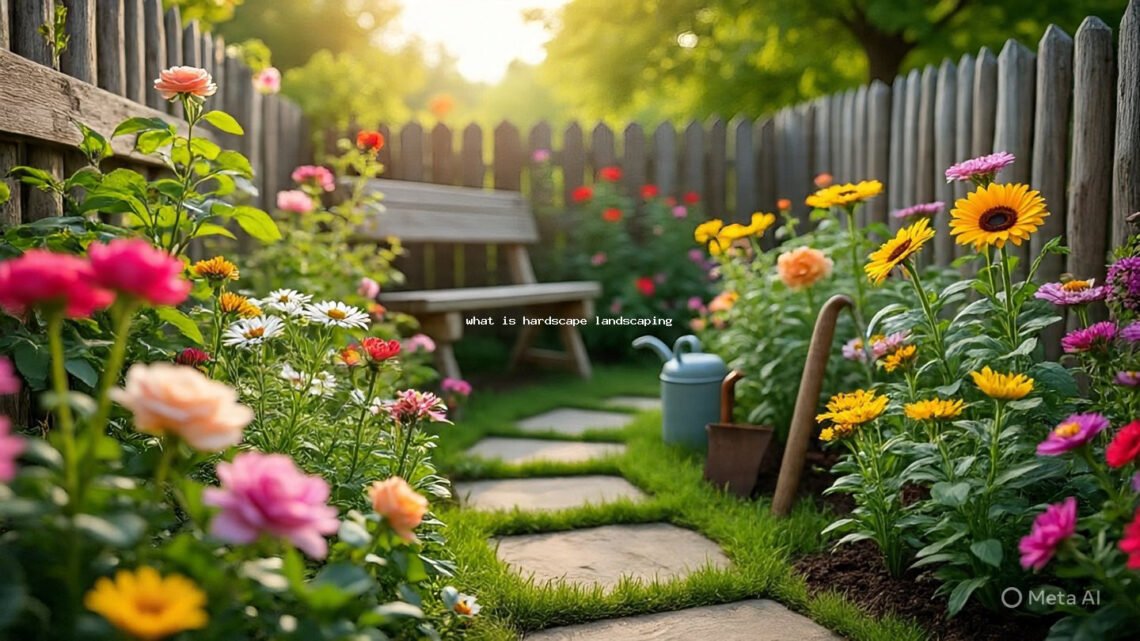
Walkways and pathways are not merely functional routes; they are integral design elements that guide movement, define areas, and add aesthetic appeal to your garden. They prevent foot traffic from compacting soil around plants and can create a sense of journey or discovery. Materials range from elegant natural stone slabs, permeable gravel paths for better drainage (a boon during monsoon), charming brick patterns, or even simple stepping stones amidst ground cover. The choice of material should complement the overall garden style and be robust enough to withstand daily use and the occasional downpour. Ensuring they are slip-resistant is also a key consideration for safety.
Retaining Walls and Edging
Given Bengaluru’s often undulating terrain and the need for effective water management, retaining walls and edging are critical hardscape components. Retaining walls are structural elements designed to hold back soil, prevent erosion on sloped areas, and create level terraces for planting or seating. They can transform an unusable slope into a multi-tiered garden wonderland. Materials like concrete blocks, natural stone, or even timber sleepers are commonly used. Edging, on the other hand, provides neat boundaries for garden beds, lawns, and pathways, preventing soil spillover and giving a crisp, finished look. It helps maintain the integrity of different garden zones and simplifies maintenance tasks like mowing.
Water Features and Fire Pits
Introducing the element of water can bring a profound sense of tranquility and a focal point to your garden. From minimalist bird baths and bubbling fountains to serene koi ponds or cascading waterfalls, water features add auditory pleasure and visual interest. They can also attract local birds, enhancing the natural ecosystem of your space. Fire pits, increasingly popular for cooler evenings, offer a gathering spot, radiating warmth and a captivating glow. Whether gas-powered or wood-burning, a well-placed fire pit creates an inviting ambience for evening get-togethers, making your garden usable even as temperatures drop.
Pergolas, Arbors, and Gazebos
These overhead structures provide much-needed shade and vertical interest, which is particularly valuable in the sun-drenched climate of Bengaluru. Pergolas, with their open lattice roofs, are perfect for supporting climbing vines like bougainvillea or jasmine, creating a shaded walkway or a canopy over a patio. Arbors often frame an entryway or gateway, offering a charming transition point. Gazebos, more enclosed structures, provide a sheltered retreat, ideal for reading or enjoying the garden view during a light shower. These elements add architectural grandeur and can significantly enhance the comfort and usability of your outdoor space, turning a simple area into an inviting destination within your garden. https://ecorganicas.org/category/organic/
The Benefits of Integrating Hardscape into Your Garden Design
Integrating hardscape elements into your garden design offers a multitude of benefits, transforming an ordinary outdoor space into a highly functional, aesthetically pleasing, and sustainable environment. For homeowners in Bengaluru, these advantages are particularly pertinent, addressing local climate challenges and lifestyle preferences.
Enhanced Functionality and Usability
Perhaps the most immediate benefit of hardscaping is the dramatic increase in your garden’s functionality. Hardscape elements define clear zones for various activities, effectively turning your outdoor area into an extension of your home. A well-laid patio becomes your outdoor dining room or a space for evening chai. Defined pathways ensure safe and clean access to different parts of the garden, even after a heavy monsoon shower, preventing muddy shoes and tracked-in dirt. Retaining walls create usable, level areas on sloped land, allowing for terraced gardens or additional seating. Pergolas provide shaded sanctuaries, perfect for reading or quiet contemplation during the hot Bengaluru afternoons. These defined spaces encourage you to spend more time outdoors, making your garden a truly livable and versatile space.
Low Maintenance and Durability
Unlike softscape, which requires constant care, watering, pruning, and protection from pests, hardscape elements are inherently low maintenance. Once installed correctly, they demand minimal attention, freeing up your time to enjoy your garden rather than constantly working on it. Durable materials like natural stone, pavers, and concrete are designed to withstand the rigours of weather, heavy foot traffic, and the passage of time. This resilience is especially valuable in Bengaluru, where strong sun and torrential monsoon rains can be challenging for softer materials. Investing in quality hardscaping means fewer repairs, replacements, and overall upkeep, providing long-term value and peace of mind.
Increased Property Value
A thoughtfully designed hardscape significantly enhances your property’s curb appeal and, consequently, its market value. Potential buyers are often drawn to homes with well-defined, attractive, and functional outdoor living spaces. A beautiful patio, an elegant pathway, or a charming water feature can make a lasting first impression and set your home apart in the competitive Bengaluru real estate market. It signifies a well-cared-for property and an investment in outdoor lifestyle, translating directly into a higher appraisal value and a quicker sale if you decide to move. It’s an investment that pays dividends, both in personal enjoyment and financial return.
Erosion Control and Drainage Management
This benefit is particularly crucial for Bengaluru’s climate, known for its intense monsoon seasons. Hardscape elements play a vital role in effective water management and erosion control. Retaining walls are indispensable for preventing soil runoff on sloped properties, protecting your garden beds and foundation. Permeable pavers and gravel paths allow rainwater to seep into the ground naturally, reducing surface runoff and helping to recharge groundwater – a sustainable practice. Well-designed grading and strategically placed drains, often integrated into hardscape features, can direct water away from your home and prevent waterlogging, protecting your property from potential damage. This proactive approach to drainage management is essential for maintaining a healthy garden and a sturdy home in the face of heavy rainfall.
Year-Round Appeal
While softscape elements flourish seasonally, hardscape provides constant beauty and structure throughout the year. Even in the dry season when some plants might be less vibrant, or during the height of the monsoon, your patio, pathways, and water features retain their charm and functionality. They offer a stable, enduring aesthetic that anchors your garden design, ensuring it looks appealing regardless of the season. This year-round presence means your outdoor space remains an inviting and beautiful extension of your home, offering enjoyment and visual pleasure no matter what the weather brings. https://ecorganicas.com/garden-tips/
Choosing the Right Materials for Hardscape in Bengaluru
Selecting the appropriate materials for your hardscape project in Bengaluru is a crucial decision that impacts not only the aesthetic appeal but also the longevity, maintenance, and overall cost of your outdoor space. Given Bengaluru’s specific climate conditions – hot summers, moderate winters, and heavy monsoons – the durability, heat absorption, and water permeability of materials should be key considerations. Local availability and the style of your home also play significant roles in making the best choices.
Natural Stone
Natural stone is a perennial favourite for hardscaping due to its timeless beauty, exceptional durability, and ability to blend seamlessly with natural surroundings. In Bengaluru, options like **Kadappa stone** (a dark, dense limestone), **granite**, and **sandstone** are particularly popular. Kadappa stone, quarried in Andhra Pradesh, is known for its deep grey to black hues and is excellent for pathways, patios, and cladding due to its strength and slip resistance when textured. Granite, readily available, offers a sophisticated look and incredible resilience against weathering and heavy use, making it ideal for high-traffic areas and retaining walls. Sandstone, with its earthy tones, provides a softer aesthetic and can be used for paving or decorative elements. While natural stone can be a more significant initial investment, its longevity and classic appeal often make it a worthwhile choice, especially considering its ability to dissipate heat and manage water effectively.
Pavers and Bricks
Interlocking concrete pavers and traditional bricks offer immense versatility in design and colour. Pavers come in a vast array of shapes, sizes, and textures, allowing for intricate patterns and custom designs that can complement any architectural style. They are engineered for durability and are excellent for driveways, patios, and walkways. A significant advantage of pavers, especially permeable options, is their ability to allow rainwater to filter through to the ground below, which is an environmentally friendly choice and helps with drainage during the monsoon. Bricks, with their rustic charm and warm tones, are perfect for creating traditional pathways, edgings, and small patio areas. Both pavers and bricks are relatively easy to repair (individual units can be replaced) and offer a good balance of cost-effectiveness and aesthetic appeal.
Wood and Composites
For decks, pergolas, and arbors, wood remains a classic choice, offering a natural warmth and organic feel. Teak, sal wood, or even treated pine are commonly used. However, given Bengaluru’s humidity and the presence of termites, proper treatment and regular maintenance (sealing, staining) are essential to ensure longevity. An increasingly popular alternative is **wood-plastic composite (WPC) decking**. These materials are made from a blend of wood fibres and recycled plastic, offering the aesthetic of wood without the high maintenance. Composites are highly resistant to rot, insects, fading, and warping, making them an excellent, durable, and low-maintenance option for decks and outdoor structures in the local climate. While the initial cost might be higher than some natural woods, their long-term benefits often outweigh it.
Concrete
Concrete is perhaps the most versatile and cost-effective hardscaping material. It can be poured into any shape, coloured, and textured to mimic other materials like stone or brick through **stamped concrete** techniques. This makes it an excellent choice for large patios, driveways, and foundations for various structures. Its strength and durability are undeniable, and with proper sealing, it can withstand the elements effectively. Concrete also offers opportunities for creating custom fire pits, benches, and other built-in features. Its adaptability allows for both sleek, modern designs and more traditional aesthetics, making it a go-to for many Bengaluru homeowners looking for robust and customisable solutions.
Gravel and Aggregates
Gravel, crushed stone, and other aggregates offer a more informal, permeable, and often budget-friendly hardscape option. They are excellent for pathways, secondary patios, and as a base for other features. Gravel paths provide natural drainage, which is a significant advantage during heavy rains, preventing water accumulation. They also add a pleasant crunch underfoot and a rustic aesthetic. Different sizes and colours of gravel can be used to create varied effects. While they might require more maintenance to keep weed-free and occasionally need replenishment, their ease of installation and natural appearance make them a popular choice for many garden styles in Bengaluru. https://ecorganicas.org/pill-bugs-in-garden/
Planning Your Hardscape Project: A Step-by-Step Guide
Embarking on a hardscape project, whether it’s a simple pathway or an elaborate outdoor kitchen, requires careful planning to ensure success, avoid costly mistakes, and achieve your desired outcome. For Bengaluru homeowners, this process also involves considering local nuances, from climate to regulations.
Define Your Needs and Vision
Before digging into the details, take time to envision how you want to use your outdoor space. Ask yourself: What activities will take place here? Do you need a large area for entertaining guests, a quiet corner for reading, a dedicated space for outdoor cooking, or a safe play area for children? What aesthetic style do you prefer – modern, traditional, rustic, or a blend? Consider the existing architecture of your home and how the hardscape can complement it. Sketching out ideas, collecting inspiration from magazines or online platforms, and creating a wishlist will help clarify your vision and guide subsequent decisions. This initial brainstorming is critical for laying the groundwork for a truly functional and beautiful design.
Site Analysis and Assessment
A thorough understanding of your site’s characteristics is paramount. Observe the sun and shade patterns throughout the day and across seasons, as this will influence material choices and planting plans for softscape integration. Assess the existing drainage – where does rainwater naturally flow, and where does it pool? This is especially important in Bengaluru to mitigate monsoon-related issues. Identify any slopes or elevation changes, as these will dictate the need for retaining walls or terracing. Note existing features like large trees, utility lines, or structures that need to be incorporated or avoided. Understanding your site’s unique attributes will inform practical design decisions and prevent future problems.
Budgeting and Material Selection
Establishing a realistic budget early on is crucial. Hardscape projects can range significantly in cost depending on the scale, complexity, and materials chosen. Research the typical costs of materials like natural stone, pavers, concrete, and composite decking in Bengaluru. Remember to factor in not just material costs but also labour, excavation, delivery, and any necessary permits. Once you have a budget, you can narrow down your material choices. As discussed, consider durability, maintenance requirements, aesthetic appeal, and how well the materials will perform in Bengaluru’s climate. Local materials often offer better value and sustainability.
Design and Layout
With your vision and site analysis complete, it’s time to translate your ideas into a concrete design. Start with a scaled drawing of your property, marking existing features. Then, sketch in the proposed hardscape elements – patios, pathways, retaining walls, water features, pergolas. Pay attention to flow and proportion. How will people move through the space? Do the elements feel balanced? Consider how the hardscape will integrate with your softscape (plants, lawn). For complex projects, consider hiring a professional landscape designer. Their expertise can help optimise space, ensure proper grading and drainage, and create a cohesive, professional design that maximises your budget.
Permits and Regulations
Before commencing any construction, especially for larger structures like retaining walls, pergolas, or extensive patios, check with the local municipal corporation (BBMP in Bengaluru) for any required permits or building codes. Regulations might dictate setback requirements, material specifications, or structural integrity standards. Failing to obtain necessary permits can lead to fines, delays, or even the forced removal of structures. It’s always better to be informed and compliant from the outset.
Installation
Finally, decide whether you will undertake the installation yourself (DIY) or hire professionals. While smaller projects like laying stepping stones might be manageable for a keen DIY enthusiast, larger projects involving excavation, heavy lifting, precise levelling, or complex drainage systems are best left to experienced landscapers and contractors. They have the right equipment, expertise, and knowledge to ensure the project is executed safely, efficiently, and to a high standard, guaranteeing the longevity and performance of your hardscape. Always get multiple quotes and check references before hiring a contractor. https://ecorganicas.com/gardening/
Comparison Table: Popular Hardscape Materials in Bengaluru
Choosing the right material for your hardscape is critical. Here’s a comparison of common options suitable for the Bengaluru climate:
| Material | Pros | Cons | Best Use Cases | Typical Cost Range (Relative) |
|---|---|---|---|---|
| Kadappa Stone | Highly durable, natural aesthetic, slip-resistant (when textured), good heat absorption. Excellent for monsoon. | Can be heavy to install, limited colour palette (dark grey/black), may get hot in direct sun. | Patios, pathways, retaining walls, steps. | Moderate to High |
| Interlocking Pavers | Versatile designs/colours, permeable options, easy repair/replacement, good drainage. | Weed growth between joints, can settle unevenly if base isn’t prepared well, initial cost can be higher than concrete. | Driveways, patios, walkways, pool decks. | Moderate |
| Stamped Concrete | Highly customisable (mimics stone/brick), durable, cost-effective for large areas, low maintenance. | Cracking over time (especially with poor installation), can be slippery when wet, difficult to repair seamlessly. | Large patios, driveways, outdoor kitchen bases. | Low to Moderate |
| Gravel/Aggregates | Excellent drainage, permeable, cost-effective, easy DIY, natural look. | Can shift/displace, requires edging to contain, weeds can grow through, not ideal for heavy furniture. | Pathways, informal patios, drainage solutions, decorative ground cover. | Low |
| Composite Decking | Low maintenance, highly durable (resistant to rot, insects, fading), eco-friendly (recycled materials). | Higher initial cost than wood, can get hot in direct sun, limited natural wood smell/feel. | Decks, elevated seating areas, pergolas. | High |
Expert Tips for a Stunning Hardscape Landscape in Bengaluru
Creating a hardscape that truly shines requires more than just selecting materials; it demands thoughtful planning and attention to detail. Here are some expert tips tailored for the Bengaluru gardening enthusiast:
- Start with a Clear Vision and Plan: Before buying a single stone, spend time visualising your ideal outdoor space. Sketch out your ideas, consider flow, and how different areas will be used. A well-defined plan prevents costly changes later.
- Embrace Bengaluru’s Climate: Design with the local weather in mind. Prioritise materials that can withstand heavy monsoons and intense sun. Think about shade structures like pergolas and ensure good drainage is integrated into all designs.
- Prioritise Drainage Solutions: This is non-negotiable in Bengaluru. Integrate permeable surfaces like gravel or permeable pavers wherever possible. Ensure proper grading and consider French drains or catch basins to manage rainwater effectively and prevent waterlogging.
- Choose Durable, Local Materials: Opt for materials like Kadappa stone, local granite, or high-quality pavers that are known for their longevity and resilience. Sourcing locally often means better value and materials suited to the regional environment.
- Seamlessly Blend Hardscape with Softscape: Hardscape provides the structure, but softscape brings it to life. Plan for planting pockets, climbing vines on pergolas, and garden beds that soften the edges of patios and pathways, creating a harmonious look.
- Incorporate Thoughtful Lighting: Outdoor lighting extends the usability of your hardscape into the evenings and enhances its aesthetic appeal. Consider pathway lights for safety, uplighting for architectural features, and ambient string lights for entertaining.
- Plan for Accessibility: Ensure pathways are wide enough and surfaces are stable for comfortable movement. Consider ramps or gentle slopes instead of steps where possible, especially for multi-generational homes.
- Seek Professional Guidance for Complex Projects: While DIY is great for small tasks, for intricate designs, retaining walls, or significant excavations, consulting a landscape architect or experienced contractor can save time, money, and ensure structural integrity.
- Integrate Water Harvesting: Given Bengaluru’s water challenges, consider hardscape designs that can incorporate rainwater harvesting systems. This could be permeable surfaces feeding into an underground tank or simply directing runoff to a rain barrel.
- Don’t Neglect Maintenance Considerations: While hardscape is low-maintenance, it’s not no-maintenance. Choose materials that are easy to clean and maintain. Factor in tasks like occasional power washing, weeding between pavers, or sealing wooden decks into your long-term plan.
Ready to transform your garden? Download our comprehensive guide to hardscape planning below!
📥 Download Complete Guide
Frequently Asked Questions (FAQ) About Hardscape Landscaping
What is the primary difference between hardscape and softscape?
The primary difference lies in their nature: softscape refers to all the living, horticultural elements in your garden, such as trees, shrubs, flowers, and grass. These elements are ever-changing and require ongoing care. Hardscape, on the other hand, comprises the non-living, permanent, and structural elements like patios, pathways, retaining walls, decks, and water features. Hardscape provides the framework and functionality, while softscape adds the natural beauty and life to the garden.
Is hardscaping an expensive investment?
The cost of hardscaping can vary significantly depending on the scale of the project, the complexity of the design, and the materials chosen. While premium materials like natural stone or composite decking can be a significant initial investment, there are also more budget-friendly options like gravel or stamped concrete. Considering its durability, low maintenance, and the increase in property value, hardscaping is generally considered a long-term investment that offers substantial returns in both enjoyment and financial value.
How long does hardscaping typically last?
The longevity of hardscape elements is one of their major advantages. When properly installed using quality materials, hardscape features like stone patios, concrete driveways, and retaining walls can last for decades, often exceeding 20-30 years or more with minimal maintenance. Materials like interlocking pavers are also known for their long lifespan and ease of repair, further extending their usability.
Can I undertake hardscaping as a DIY project, or should I hire professionals?
For smaller, simpler hardscape projects like laying stepping stones, creating a gravel path, or building a small raised bed, a dedicated DIY enthusiast can often achieve good results. However, for larger, more complex projects involving extensive excavation, precise grading, heavy lifting, structural elements (like retaining walls), or complex drainage systems, it is highly recommended to hire experienced professionals. They possess the necessary skills, equipment, and expertise to ensure the project is completed safely, correctly, and durably, preventing costly mistakes.
How does hardscaping help with monsoon challenges in Bengaluru?
Hardscaping is incredibly beneficial for managing Bengaluru’s monsoon challenges. Elements like retaining walls prevent soil erosion on slopes. Permeable pavers and gravel paths allow rainwater to infiltrate the ground, reducing surface runoff and preventing waterlogging. Proper grading and integrated drainage systems (e.g., French drains, catch basins) can effectively direct excess water away from your home and garden, protecting your property from water damage and maintaining usable outdoor spaces even during heavy rains. https://ecorganicas.org/privacy-policy/
What permits are typically needed for hardscaping projects in Bengaluru?
The need for permits in Bengaluru (from BBMP) depends on the scope and nature of your hardscape project. Minor installations like small patios or garden paths might not require a permit. However, any structural changes, such as building significant retaining walls (especially those affecting neighbour’s property or public land), constructing large pergolas, or altering drainage patterns that could impact public utilities or adjacent properties, will likely require official approval. It’s always best to check with the local municipal planning department before commencing any substantial hardscape work to ensure compliance. https://ecorganicas.com/garden-tips/
Hardscape landscaping is truly the foundation of an enduring and beautiful outdoor space, especially in a dynamic city like Bengaluru. By thoughtfully integrating these structural elements, you can create a garden that is not only visually stunning but also highly functional, low-maintenance, and resilient to the local climate. Whether you’re planning a serene patio for your morning coffee or robust pathways to navigate your lush garden, understanding hardscaping is your first step towards an outdoor oasis that perfectly complements your home and lifestyle. For more in-depth knowledge and to explore a wide range of products for your hardscape journey, don’t forget to download our detailed guide and visit our shop!
📥 Download Complete Guide
🛒 Shop Now
Discover more from Ecorganicas
Subscribe to get the latest posts sent to your email.