Introduction to Gardening Radishes: A Quick Overview
Gardening Radishes are a popular choice among home gardeners for several compelling reasons. These vibrant root vegetables offer a quick turnaround from planting to harvest, making them ideal for both seasoned gardeners and novices alike. Belonging to the Brassicaceae family, radishes have been cultivated for thousands of years, dating back to ancient Egypt, China, and Greece, underscoring their long-standing presence in human agriculture.
Nutritionally, gardening radishes prove to be invaluable. They are low in calories while being rich in essential nutrients. A single serving of radishes provides a good source of vitamin C, potassium, and antioxidants, promoting overall health and wellness. Furthermore, they are hydrating, thanks to their high water content, making them a refreshing addition to salads and various dishes.
Beyond their health benefits, radishes are exceptionally easy to grow. They thrive in a variety of soil types and can be sown in early spring or fall, depending on the specific variety. Due to their fast growth cycle, many gardeners enjoy planting successive crops to ensure a continuous supply throughout the seasons. Each harvest brings an opportunity to experiment with different varieties, from the classic red globe radish to the more unique black or watermelon radishes, providing an array of flavors and textures.
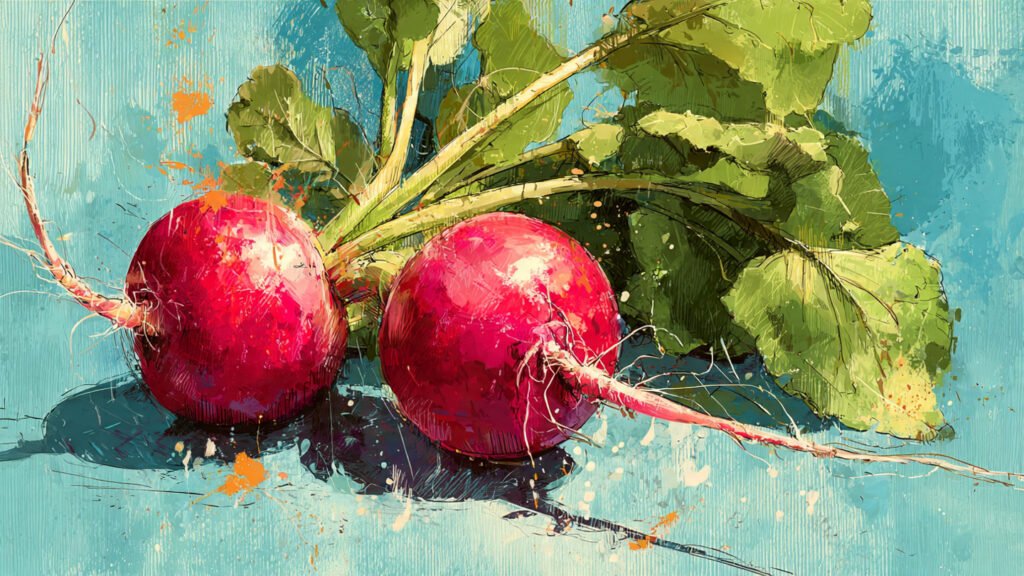
For beginners, there are few crops that match the accessibility and satisfaction of gardening radishes. Their resilience to pests, coupled with minimal maintenance requirements, allows for a successful gardening experience without the intimidation often felt with other vegetables. With a bit of knowledge and preparation, anyone can cultivate these delightful roots and enjoy their crisp, zesty flavors in their meals.
🔥 Our Trending Gardening Picks
- The Ultimate Guide to Gardening Radishes: Tips and Tricks for a Thriving Garden
- The Ultimate Guide to gardening raised beds vegetable Growth
- The Essential Do and Don’ts of Gardening: A Comprehensive Guide
- What is the most common mistake of first time gardeners ?
- Understanding Gardening Snakes: Nature’s Reptilian Allies
Types of Radishes: Exploring Varieties
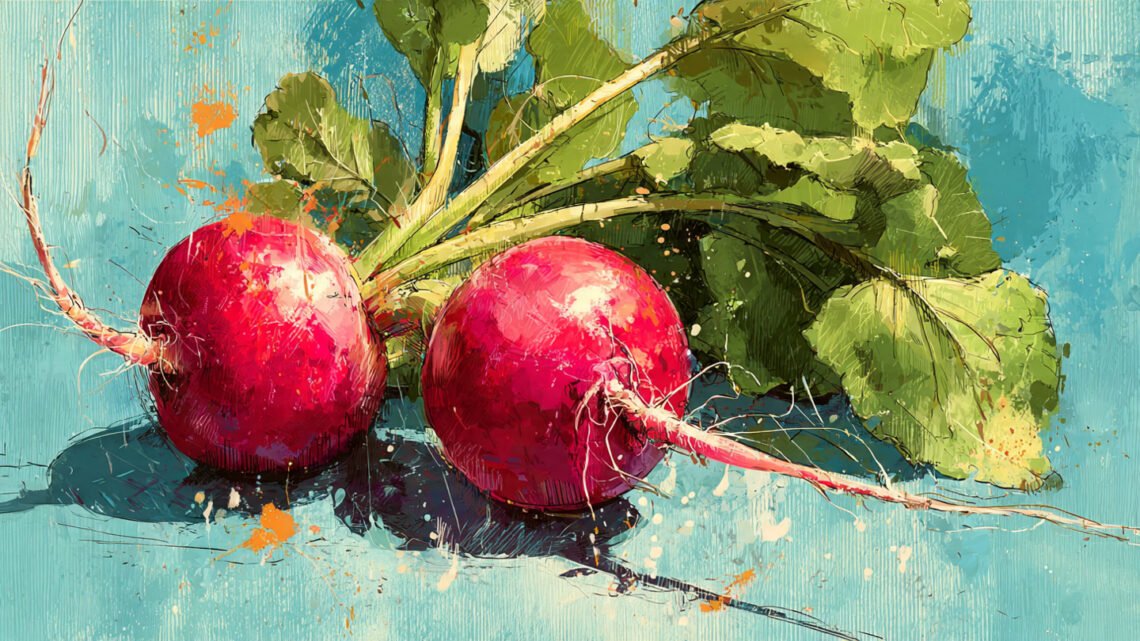
Gardening radishes offers an array of varieties, each with distinct flavors, colors, and culinary uses. Among the most popular types, the classic red globe radish stands out due to its vibrant red skin and crisp, white interior. This variety is known for its mild, peppery flavor, making it ideal for salads, sandwiches, and garnishes. Its ease of growth and fast maturity make it a favorite among home gardeners.
Moving beyond the red globe, we have the French breakfast radish. Characterized by its elongated shape and striking red and white coloration, this variety is often enjoyed sliced into salads or eaten with butter and salt, highlighting its delicate crunch and slightly sweet flavor. It typically has a mild taste compared to the red globe, making it appealing to those new to gardening radishes.
Another noteworthy variety is the Daikon radish, which originates from Asia. This large, white radish can weigh up to several pounds and boasts a milder, slightly sweet flavor. Daikon is commonly used in Asian cuisine, often pickled or grated, enhancing dishes such as sushi, stir-fries, and salads. Its versatility makes it an excellent choice for any gardener interested in experimenting with diverse culinary applications.
Lastly, there are specialty radishes, such as the black radish and watermelon radish. The black radish features a dark exterior with a sharp, robust flavor that can add depth to many dishes. In contrast, the watermelon radish, with its green skin and pink interior, offers a visual appeal and a mild taste that is perfect for salads.
Understanding the different types of radishes can enhance not only your gardening experience but also your culinary adventures. Whether you opt for the classic varieties or experiment with more unique options, there is a radish perfect for everyone in the garden.
Preparing Your Garden: Soil and Location
When it comes to gardening radishes, the foundation of a thriving crop starts with the right preparation of your garden. A critical aspect of this preparation is ensuring that the soil is of suitable type and quality. Radishes prefer loose, well-draining soil that allows for easy root development. Ideally, the soil should be loamy or sandy with good organic content.
The pH level of the soil significantly affects the growth of radishes. For optimal growth, aim for a pH between 6.0 and 7.0. If your soil leans towards acidity, you can amend it with lime, while sulfur can be added to reduce alkalinity if necessary. Testing your soil before planting will provide you with a clear understanding of its pH and nutrient levels. Soil testing kits are widely available and relatively easy to use.
Another factor to consider when gardening radishes is sunlight. These root vegetables thrive in full sun, which means they need a minimum of six hours of direct sunlight each day. Choosing a location that meets these light requirements will ensure strong growth and prevent issues associated with inadequate light, such as leggy plants that fail to produce healthy roots.
In preparation for planting, it may also be beneficial to work in compost or well-rotted manure into your garden bed. This amendment not only improves soil structure but also adds essential nutrients that promote robust radish growth. Additionally, consider planting radishes in successive sowings, which can enhance yield and provide a continuous supply throughout the growing season.
Timing and Preparation for Planting Radishes
When it comes to gardening radishes, timing is crucial. Radishes grow quickly and are often one of the first crops planted in the spring. In warmer climates, you can start sowing radish seeds as early as February, while in cooler areas, it may be best to wait until late March or early April. The soil temperature should ideally be between 45°F and 85°F (7°C to 29°C) for optimal germination.
Additionally, it is important to consider the different varieties of radishes, as some can be planted in the spring, while others thrive during the fall. Early-maturing varieties such as Cherry Belle are perfect for spring planting, while Daikon radishes are ideal for fall gardening. Understanding your local climate and choosing the right variety can enhance your gardening success.
The Process of Sowing Radish Seeds
Once you have selected the appropriate time and variety for your gardening radishes, you can begin the planting process. Start by preparing the soil by ensuring it is well-draining, rich in organic matter, and free of weeds. You may want to till the soil to a depth of about 12 inches and mix in compost to enhance soil nutrients.
For sowing, plant the seeds about ½ inch deep and spaced 1 to 2 inches apart in rows that are 12 to 18 inches apart. This spacing allows for adequate air circulation and growth. After planting the seeds, water them gently to moisten the soil without displacing the seeds. Consistent moisture is essential until the seeds germinate, which typically occurs within 5 to 10 days.
In areas with variable temperatures, consider covering the soil with a light mulch after seeds are sown to retain moisture and regulate soil temperature, creating a favorable environment for your gardening radishes.
Caring for Your Radishes: Watering and Maintenance
Effective care for gardening radishes hinges on understanding their specific needs, particularly when it comes to watering and maintenance. Radishes thrive in well-drained soil that retains moisture without becoming waterlogged. The first step in ensuring the health of your radish plants is to establish a consistent watering schedule. Ideally, you should water radishes deeply but infrequently. This encourages deep root growth and helps the plants resist drought conditions. Aim to provide about an inch of water each week, adjusting based on rainfall and temperature.
Mulching around the base of the plants can greatly assist in maintaining soil moisture levels. Organic mulches, such as straw or shredded leaves, not only help retain moisture but also suppress weeds that may compete for nutrients. Applying a layer of mulch a few inches thick can make a significant difference in the growing conditions for your radishes, keeping the roots cool and preventing soil from drying out too rapidly.
Pest control is another crucial aspect of maintenance when growing radishes. These vegetables can attract various pests, including aphids, flea beetles, and root maggots. Regularly inspect your plants for signs of infestation, such as holes in the leaves or visible bugs. Employing organic pest control measures, such as introducing beneficial insects or using neem oil, can help manage these pests without harming the environment. Maintaining healthy plants through appropriate watering and pest management not only enhances growth but also contributes to a more abundant harvest.
In conclusion, by adhering to proper watering techniques, using mulching effectively, and monitoring pest activity, you can ensure a thriving garden of radishes. This careful attention to detail will promote healthy growth and yield a bountiful harvest.
Harvesting Radishes: Signs of Readiness
Harvesting gardening radishes at the optimal time is crucial for achieving the best flavor and texture. Recognizing the signs that radishes are ready for harvest can significantly enhance the gardening experience and ensure a bountiful yield. Typically, radishes can be harvested about three to four weeks after sowing, but this varies based on the variety and environmental conditions.
Visually, one of the first indicators of readiness is the size of the radish. Most varieties will develop a rounded, bulbous shape that is often about 1 to 2 inches in diameter for optimal taste. Additionally, the color can help inform gardeners; various types of radishes exhibit different colors such as red, white, or purple. A vibrant and appealing color usually signals that the radish is reaching its maturity.
Tactile cues are equally important. Gently pushing away the soil around the base of the radish can provide insight into its size. If it feels firm and smooth, it is likely ready for picking. On the other hand, if it feels soft or spongy, it may have started to bolt or go to seed, which can result in a woody texture and less desirable taste.
When it comes to harvesting methods, it is essential to handle radishes with care to avoid damaging their delicate roots. Grasping the foliage at the base and gently pulling upward can help detach the radish from the soil without breaking the root. A trowel can also be used to loosen the soil around the base, allowing for a smoother extraction. Harvesting in the morning, when the radishes are crisp and full of moisture, can further enhance their flavor profile. Properly identifying the signs of readiness and using careful harvesting practices can lead to a successful crop of gardening radishes.
Common Challenges in Radish Gardening and Solutions
Gardening radishes can be a rewarding experience, but it is not without its challenges. Some common issues that many gardeners face include bolting, pest infestations, and various diseases that can affect radish crops. Understanding these challenges is critical to ensuring a successful harvest.
Bolting is a frequent problem, particularly in warmer climates or during hot weather. This occurs when the radishes flower prematurely, leading to a bitter taste and poor quality. To prevent bolting, gardeners should plant radishes in cooler weather, ideally in early spring or fall. Additionally, ensuring consistent moisture in the soil can help minimize the stress that leads to bolting.
Pests can also pose a significant threat to your gardening radishes. Common culprits include aphids and flea beetles, which can damage the plants and reduce yield. To manage these pests, implement organic pest control measures such as introducing beneficial insects like ladybugs or using insecticidal soap on the affected areas. Also, a strong layer of mulch can deter many surface-dwelling pests, ensuring your radishes stay healthy.
Diseases such as downy mildew and root rot may also threaten your radish garden. To prevent these problems, ensure proper spacing between plants to promote airflow. Additionally, rotate crops to break disease cycles and avoid planting radishes in the same location for consecutive years. Maintaining healthy soil through regular testing and amendments will also support the overall resilience of your plants.
By being aware of these common challenges and implementing effective solutions, gardeners can enjoy a bountiful harvest of radishes while minimizing potential setbacks in their gardening journey.
Culinary Uses for Radishes: From Salad to Snacks
Radishes are a versatile vegetable that can be integrated into a variety of culinary dishes, offering both flavor and texture. Known for their crispness and peppery taste, gardening radishes can be enjoyed raw, cooked, or pickled, making them an essential addition to any garden enthusiast’s kitchen repertoire.
One of the most popular ways to enjoy radishes is by adding them fresh to salads. Their crunchy texture and zesty flavor complement leafy greens and other vegetables. A simple salad can be prepared by slicing radishes thinly and tossing them with arugula, cherry tomatoes, and a light vinaigrette. Additionally, they can be incorporated into grain salads, providing a vibrant color and a refreshing bite.
Beyond salads, radishes can also be roasted to bring out their natural sweetness. When roasted, radishes have a milder taste, making them an excellent side dish for meats or as part of a vegetable medley. Simply toss halved radishes with olive oil, salt, and your choice of herbs, then roast until tender and golden. This cooking method transforms radishes into a delightful and unexpected addition to dinner plates.
Pickling is another fantastic option for those looking to preserve radishes for later use. Quick pickling radishes involves submerging them in a mixture of vinegar, sugar, and spices for a short period, resulting in tangy, colorful bites. Pickled radishes can serve as a garnish for tacos, sandwiches, or charcuterie boards, beautifully enhancing the overall presentation and flavor profile of the dish.
Ultimately, whether enjoyed raw in a salad, cooked as a side dish, or pickled for later consumption, the culinary applications of radishes are as diverse as the garden radishes themselves. With innovative recipes and serving suggestions, incorporating radishes into meals encourages a healthy and vibrant diet.
The Joy of Growing Radishes
Gardening radishes is a rewarding endeavor that brings not just fresh produce to your table but an immense sense of satisfaction. The experience of cultivating these vibrant vegetables can be fulfilling, as they grow quickly and require relatively low maintenance, making them ideal for both novice and experienced gardeners.
One of the most significant benefits of growing radishes is the speed at which they can be harvested. With a growing cycle of merely three to six weeks, gardeners can enjoy the fruits of their labor in no time. This rapid turnaround not only boosts confidence but also encourages experimentation with various radish varieties, leading to an exciting and varied harvest throughout the seasons. The ability to cultivate multiple crops within a single growing season creates opportunities for continuous learning and adaptation.
Moreover, gardening radishes can offer numerous health benefits. These root vegetables are renowned for their crisp texture and peppery flavor, as well as their high nutritional value. Incorporating fresh radishes into meals can enhance a dish’s flavor profile while providing essential vitamins and minerals, including Vitamin C and potassium. This not only contributes to personal well-being but also promotes healthy eating habits.
For those interested in deepening their knowledge on the subject, a variety of resources are available. Gardening books, online forums, and local gardening clubs can provide invaluable tips and support. Additionally, community programs often offer classes or workshops focused on vegetable gardening, including how to grow, care for, and harvest radishes effectively. By tapping into these resources, you can fully experience the joys of gardening, transforming your outdoor space into a flourishing haven of fresh radishes.
Ultimately, the act of growing your own food fosters a connection with nature and instills a sense of pride in the food you consume. Cultivating radishes could be your gateway into a more sustainable lifestyle, prompting exploration into other vegetables and gardening practices. Thus, take the plunge into gardening radishes; the rewards await!
Discover more from Ecorganicas
Subscribe to get the latest posts sent to your email.