
Environmentally Friendly Mulch: A Complete Guide for Sustainable Gardening 🌿
Why Choose Environmentally Friendly Mulch?
Using an eco-friendly mulch isn’t just about aesthetics — it’s about soil health, water conservation, reduced chemical use, and long-term sustainability. Sustainable mulches offer many benefits:
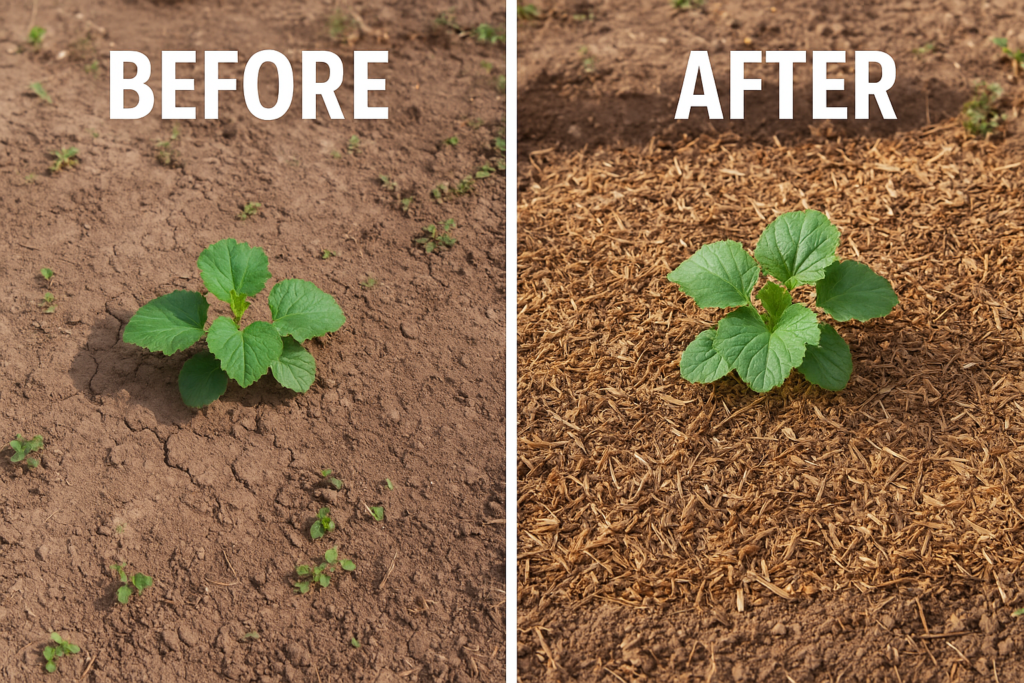
- Water retention & conservation — Mulch helps reduce evaporation, keeping soil moist and lowering irrigation needs.
- Weed suppression — A good mulch layer blocks sunlight, preventing weed seeds from sprouting and reducing the need for chemical herbicides.
- Soil temperature regulation — Mulch insulates soil: keeping it cooler in hot weather and warmer in cooler times, which protects roots and supports stable plant growth.
- Soil health and structure improvement — As organic mulches break down, they enrich the soil with organic matter, improve aeration, drainage, and support beneficial microbial life.
- Reduced environmental impact — Organic mulches (especially those made from waste or by-products) help reduce reliance on synthetic plastic mulches, cut down plastic pollution, and support a circular economy.
In short: environment-friendly mulch supports healthier plants, lower maintenance, and is kinder to the planet.
What Makes a Mulch “Environmentally Friendly”
Not all mulch is equal. For mulch to be truly eco-friendly, a few key criteria matter:
- Biodegradable / organic — So the mulch eventually breaks down and enriches the soil rather than persisting as waste.
- Sustainably / responsibly sourced — Preferably made from waste or by-products (e.g. coconut husk fiber) rather than virgin forest wood or synthetic materials.
- Soil- and plant-safe (neutral or suitable pH, no toxins) — Avoid mulches that leach chemicals, alter soil pH drastically, or harm beneficial soil life.
- Appropriate for your climate and garden needs — Use mulch types suited to local moisture, soil type, and plant species.
Best Environmentally Friendly Mulch Options — Pros, Cons & Use Cases
Here is a breakdown of top mulch types that are eco-conscious, along with when and where they perform best.
🔥 Our Trending Gardening Picks
| Mulch Type | Benefits / Strengths | Considerations / Limitations | Best Use Case |
|---|---|---|---|
| Coconut coir / coir-based mulch / coir mulch mats/sheets | Renewable (uses coconut husk waste); excellent water retention; improves soil aeration & structure; pH-neutral; biodegradable; good for moisture retention, weed suppression, soil insulation. | Depending on transport origin, may have environmental/energy cost; coir may decompose slowly (so not as nutrient-rich initially as compost). | Vegetable beds, flowerbeds, container plants, gardens in dry / tropical climates (e.g. India), places where water retention matters |
| Wood chips / bark / shredded wood | Long-lasting; gradually adds organic matter; suppresses weeds; conserves moisture; good for trees, shrubs, perennial beds. | Fresh wood chips can tie up nitrogen while decomposing; may need re-application every 1–2 years; ensure chips are free of chemical treatment. | Around trees/shrubs, ornamental landscaping, perennial beds, garden pathways |
| Leaf mold / fallen leaves (shredded) | Free (if you collect locally); enriches soil as it decomposes; promotes microbial activity; good for improving soil structure. | Decomposes relatively quickly — may require frequent replenishment; may mat down if applied too thickly; variable nutrient content depending on leaf type. | Seasonal gardens, garden beds with annuals, compost gardens |
| Straw / hay (residue mulch) | Lightweight; good weed suppression; breaks down to add organic matter; helps regulate soil temperature; cheap and accessible. | Decomposes quickly — needs frequent replacement; ensure you use straw rather than hay (to avoid weed seeds); avoid treated or chemical-exposed straw. | Vegetable gardens, seasonal gardens, temporary beds, compost-based gardens |
| Compost (used as mulch top layer) | Adds nutrients directly, boosts microbial activity, improves soil fertility and structure; closes the loop for garden waste; enriches soil gradually. | Should be fully decomposed to avoid burning plant roots; applied too thick can suffocate soil; may need mixing with coarser mulch for better aeration. | Vegetable beds, herb gardens, organic garden setups, seedbeds, indoor/outdoor potted plants |
Why Coir-Based Mulch & Mulching Mats/Sheets Are Particularly Strong Candidates
Among eco-friendly mulches, coir-based mulches (loose coir, coir mats or geocomposite mulch sheets) stand out — for good reasons:
- As per research from CSIR – National Institute for Interdisciplinary Science and Technology (NIIST), coir-based mulch sheets reuse coconut-husk waste — a circular-economy approach — and serve as a sustainable substitute for synthetic plastic mulch sheets.
- These mulch sheets are biodegradable, support soil moisture retention, temperature regulation, weed suppression, and overall soil health — all while reducing plastic waste and carbon footprint.
- Coir mulch’s water retention, aeration, and slow decomposition make it ideal for climates with water stress or irregular rainfall, which reflects many regions in India.
- Using coir helps avoid the environmental drawbacks of non-renewable or synthetic materials (like plastic mulch, peat moss, treated wood).
Thus, for a sustainable, low-maintenance, and long-term solution — especially in regions similar to yours — coir-based mulch is often among the best choices.
Practical Guidelines: How to Choose & Use Eco-Friendly Mulch for Your Garden
Here are actionable recommendations to help gardeners make the most of eco-friendly mulch:
- Select mulch based on garden type & climate
- For vegetable beds, annuals, or potted plants → use coir, compost, leaf mold, or straw.
- For trees, shrubs, perennial beds → wood chips/bark or coir (depending on soil and maintenance needs).
- For dry or semi-arid climates → coir mulch or compost to retain moisture.
- Ensure mulch is free of harmful chemicals — avoid treated wood, synthetic rubber mulch, or mulch that might leach toxins. Especially important if you grow edibles.
- Apply correct mulch depth — generally a layer of 2–4 inches (≈5–10 cm). Enough to suppress weeds and conserve moisture, but not so thick as to suffocate roots or trap excess moisture.
- Leave space around plant stems/trunks — don’t pile mulch up against stems to prevent rot or pest-attraction.
- Refresh mulch periodically — organic mulches decompose over time. Top up or replace as needed (frequency depends on mulch type: fast-decomposing vs. slow-decomposing).
- Consider layering mulch types — e.g. compost or leaf mold as a base layer (for nutrients), topped with coarser mulch (coir, wood chips) for moisture retention and weed suppression.
- Use mulch as part of a holistic garden strategy — combine with composting, crop rotation, organic fertilization and water-efficient irrigation (e.g. drip irrigation) to maximize sustainability.
🌿 Region-Specific Examples (India, Tropical & Sub-Tropical Climates)
Why Eco-Friendly Mulch Works Exceptionally Well in India
Countries like India experience high heat, intense sunlight, uneven rainfall, and long dry spells. Eco-friendly mulches help:
- Reduce water evaporation by up to 70% in hot climates
- Improve soil moisture during summer heatwaves
- Protect plant roots from extreme temperature fluctuations
- Control weed growth during monsoons
- Reduce soil erosion from heavy rains
Locally Available, Truly Sustainable Mulch Materials in India
Perfect for retaining moisture in shade gardens, areca nut plantations, and banana fields.
Coir Mulch (Coconut Husk Mulch)
India has an abundant coconut industry → coir is cheap, renewable, and widely available.
Coir retains 10x more water than its weight, making it excellent for drought-prone regions like Tamil Nadu, Karnataka, Andhra Pradesh.
Coir mulch sheets are especially useful in terrace gardens, vegetable beds, and orchards.
Dry Leaf Mulch (Leaf Litter)
A no-cost mulch option from neem, mango, jackfruit, gulmohar, or peepal trees.
Excellent for monsoon protection, preventing soil erosion.
Straw Mulch (Paddy Straw / Wheat Straw)
Cheap and easily available in rural and peri-urban areas.
Breaks down fast, enriching sandy soils in states like Rajasthan & Maharashtra.
Sugarcane Bagasse Mulch
India is the world’s 2nd largest sugarcane producer → bagasse is widely available waste material.
Works well for fruit orchards, banana plantations, and vegetable farms.
Banana Leaves & Banana Fibre Mulch
Common in South Indian states (Kerala, Tamil Nadu).
❓ Frequently Asked Questions (FAQ)
1. Will mulch attract pests?
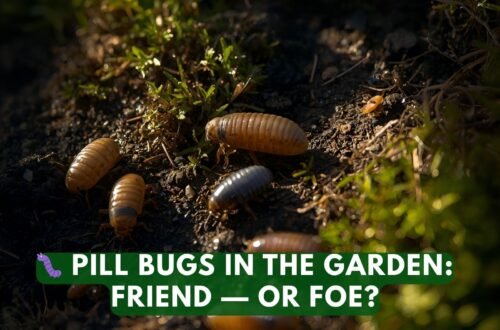
Organic mulch may attract some insects (like earthworms, which are beneficial).
But thick woody mulch can occasionally attract termites if placed directly against wooden structures.
Solution: Keep mulch 3–6 inches away from house walls or wooden posts.
2. Is mulch safe for vegetable gardens?
Yes — especially leaf mulch, straw, compost, and coir.
Avoid treated wood chips or chemically-dyed mulches because they may leach toxins.
3. How often should I reapply mulch?
- Fast-decomposing mulch (straw, leaves): every 4–6 months
- Medium (compost, coir chips): every 6–12 months
- Slow (wood chips, bark): every 1–2 years
4. Can mulch help during dry seasons?
Absolutely. Mulch reduces water evaporation drastically and keeps soil cool.
Coir mulch and leaf mulch perform best in dry regions.
5. Can mulch help during monsoons?
Yes. Mulch prevents:
- Soil erosion
- Nutrient leaching
- Compaction from heavy rainfall
6. What’s the ideal mulch depth?
2–4 inches for most gardens.
Too much can suffocate roots; too little won’t suppress weeds.
7. Do I need to remove old mulch before applying new mulch?
No — simply top up the old layer unless it has fungus or pests.
🧑🌾 Practical How-To Guide: How to Apply Mulch Correctly
Step 1 — Prepare the Area
- Remove weeds
- Loosen the topsoil lightly
- Add compost if soil is poor
Step 2 — Lay the Mulch
- Spread mulch evenly at 2–4 inches thickness
- Avoid pressing down tightly — let it “breathe”
Step 3 — Leave Space Around Plant Stems
Keep a 2–3 inch gap to prevent stem rot and fungal infections.
Step 4 — Water Thoroughly
Moisture helps mulch settle and begin regulating soil temperature.
Step 5 — Maintain Seasonally
- Top up every 6–12 months
- Check for pests, fungus, or waterlogging
📅 Seasonal Mulching Calendar (India / Tropical Climate)
| Season | Climate Conditions | Best Mulch Choices | Purpose |
|---|---|---|---|
| Summer (March–June) | Very hot, dry | Coir mulch, leaf mulch, sugarcane bagasse | Water retention, protect roots from heat |
| Monsoon (June–Sept) | Heavy rains, humidity | Coir mats, wood chips, bark mulch | Prevent erosion, avoid nutrient washout |
| Post-Monsoon (Oct–Nov) | Humid → cooling | Compost + coir combo | Rebuild soil nutrients after rains |
| Winter (Dec–Feb) | Mild cold (in most states) | Straw mulch, dry leaves | Temperature regulation, weed suppression |
🛒 Trusted Supplier Suggestions (India-friendly)
(These increase credibility and help readers take action.)
Coir Mulch Mats & Coir Mulch
- Kerala Coir Board (Government)
- Coco Agri / Coco Peat manufacturers (Tamil Nadu & Kerala)
- Amazon India (certified sellers with reviews)
- Local nurseries selling coir discs, pots, mulch mats
Organic Compost
- IFFCO Urban Gardens
- TrustBasket
- Ugaoo
- Local municipal composting centers
Sustainable Garden Mulch (Straw / Leaf Mold / Wood Chips)
- Local farms (direct straw pickup)
- Panchayat green-waste recycling centers
- Urban dry leaves collection groups
Discover more from Ecorganicas
Subscribe to get the latest posts sent to your email.


One comment on “Environmentally Friendly Mulch”