
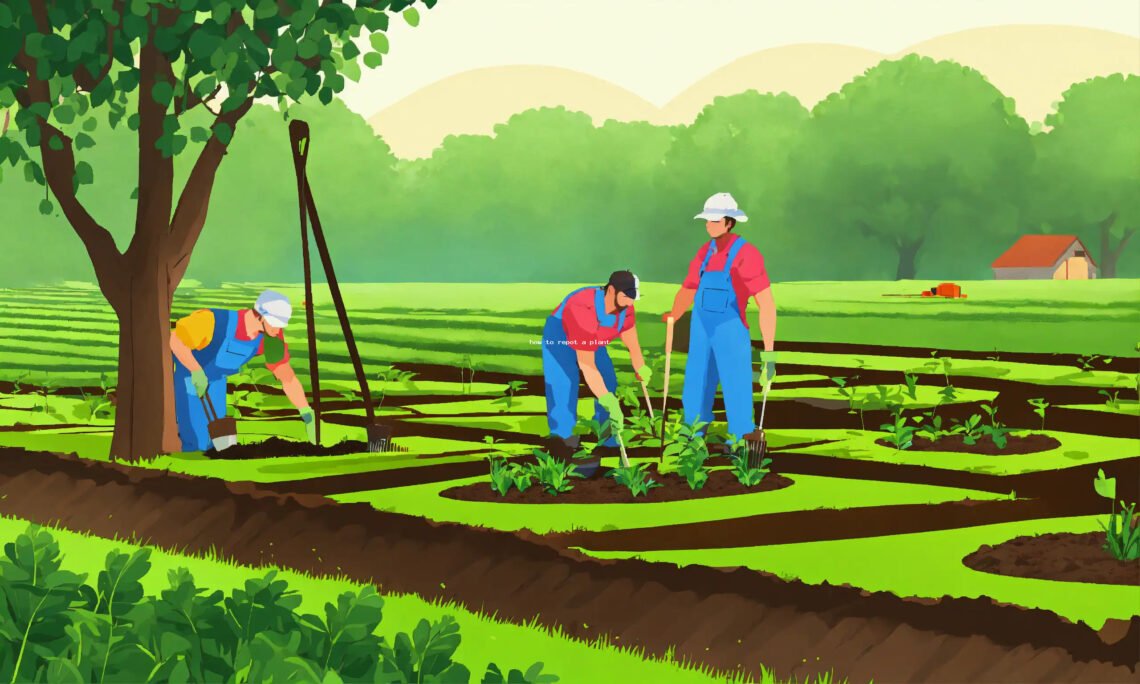
how to repot a plant
How to Repot a Plant
Ah, the joy of watching your beloved houseplants thrive! From the vibrant Money Plant adorning a corner of your living room to the serene Peace Lily gracing your balcony, each green companion brings life and beauty to our homes. But just like any living being, our plants need a little extra care and attention to reach their full potential. One of the most fundamental yet often overlooked aspects of plant care is repotting. It’s not just about giving your plant a bigger home; it’s a vital ritual that ensures continued growth, robust health, and breathtaking vibrancy. Imagine a growing child wearing shoes that are too small – uncomfortable, restrictive, and hindering their development. The same applies to your plants when they outgrow their pots. Their roots, the very anchors of their existence, become cramped, circling desperately within the limited confines, unable to absorb sufficient water or nutrients from the exhausted soil. This condition, often referred to as being ‘root-bound,’ is a silent plea from your plant for more space and fresh resources.
Repotting offers a multitude of benefits that extend far beyond mere aesthetics. Firstly, it provides your plant with fresh, nutrient-rich potting mix. Over time, the soil in any pot degrades; nutrients are depleted, organic matter breaks down, and its structure can become compacted, hindering aeration and drainage. Fresh soil acts as a nutritional buffet, packed with essential minerals and providing the ideal environment for roots to spread and flourish. Secondly, it alleviates root congestion. When roots become too dense, they struggle to take up water and nutrients efficiently, leading to stunted growth, yellowing leaves, and susceptibility to diseases. Giving them room to breathe allows for optimal nutrient uptake and promotes vigorous growth above ground. Thirdly, repotting improves drainage and aeration. Compacted or degraded soil can lead to waterlogging, a common killer of houseplants, especially in humid climates like Bengaluru. Fresh soil with proper amendments ensures that water drains effectively, preventing root rot and creating a healthier root zone. Finally, it’s an opportunity for a health check-up. As you gently remove your plant from its old pot, you get a direct view of its root system, allowing you to trim any dead, diseased, or circling roots, effectively pruning for better health. This proactive maintenance can prevent future problems and ensure your green companions continue to flourish, bringing joy and a touch of nature’s tranquility to your urban abode. So, let’s embark on this essential gardening journey together, transforming what might seem like a daunting task into a rewarding act of nurturing love for your plants.
🔥 Our Trending Gardening Picks
Recognizing the Need for Repotting
Understanding when your plant needs a new home is the first crucial step in the repotting process. Plants, much like us, give subtle (and sometimes not-so-subtle) cues when they are uncomfortable or require a change of scenery. Being observant of these signs can save your plant from stress and ensure its continued vitality. Ignoring these signals can lead to stunted growth, reduced flowering, and a general decline in health, which no gardener wants to see. For plants in Bengaluru’s tropical climate, where growth can be vigorous, these signs might appear sooner than you’d expect with slower-growing varieties in cooler regions.
Signs Your Plant is Root-Bound
One of the most common reasons to repot is when your plant becomes ‘root-bound.’ This means the roots have filled the entire pot, leaving little to no soil and no room for further expansion. Here are the tell-tale signs to look out for:
- Roots Emerging from Drainage Holes: This is perhaps the clearest indicator. If you see roots peeking out from the bottom of the pot, or even growing upwards from the soil surface, it’s a definite sign that your plant has outgrown its current container.
- Water Running Straight Through: When you water your plant, does the water seem to drain almost immediately without soaking into the soil? This happens because the dense root ball leaves no space for the water to be absorbed, leading to insufficient hydration for the plant.
- Stunted Growth Despite Feeding: If your plant isn’t growing much, or its new leaves are significantly smaller than older ones, even though you’re regularly fertilizing it, it could be struggling due to cramped roots and depleted soil.
- Plant Falling Over Easily: A top-heavy plant that frequently topples over might be lacking the stability of a healthy root system spread within a larger pot. The roots are so dense they can’t properly anchor the plant.
- Soil Drying Out Too Quickly: If you find yourself watering your plant far more frequently than before, it might be because the pot is mostly roots and very little soil, which dries out rapidly.
- Visible Roots on Soil Surface: Beyond just emerging from the drainage holes, if you can see a thick mat of roots on the very surface of the soil, it’s a clear indication that the plant needs more space.
When is the Best Time to Repot?
Timing is everything when it comes to repotting. The general rule of thumb is to repot during your plant’s active growing season, which is typically spring or early summer. This allows the plant to recover from the stress of repotting quickly and utilize the new resources for robust growth. In Bengaluru, this often means late winter to early spring (February-March) before the intense summer heat, or post-monsoon (September-October) when the weather is more moderate. Avoid repotting when your plant is flowering or fruiting, as this can shock the plant and cause it to drop its blooms or developing fruit. Similarly, avoid repotting during periods of extreme heat or cold, as these environmental stressors can compound the transplant shock. Fast-growing plants, such as many tropical foliage plants, might need repotting annually, while slower growers like cacti or succulents might only need it every 2-3 years, or even less frequently. Always observe your plant’s specific needs rather than adhering to a rigid schedule. For more insights on seasonal plant care, check out our guide on https://ecorganicas.org/tag/aloe-vera-plant-stekken/.
Gathering Your Repotting Arsenal
Before you begin the exciting task of giving your plant a new home, it’s crucial to gather all the necessary supplies. Think of it as preparing for a surgical procedure; having everything at hand ensures a smooth and less stressful experience for both you and your plant. A well-prepared gardener is a successful gardener, especially when dealing with the delicate root systems of living organisms. Don’t rush this stage; taking the time to select the right tools and materials will make a significant difference in your plant’s post-repotting recovery and long-term health. Many of these items are readily available at local nurseries or gardening stores across Bengaluru, making preparation quite convenient.
Choosing the Right Pot
The new pot is more than just a container; it’s the foundation for your plant’s future growth. Selecting the appropriate size and material is paramount.
- Size Matters: A common mistake is choosing a pot that is too large. For most plants, go up only one size – typically 1 to 2 inches (2.5-5 cm) wider in diameter than the old pot. For example, if your plant is in a 6-inch pot, move it to an 8-inch pot. Moving to a much larger pot can lead to excess soil retaining too much moisture, increasing the risk of root rot, as the plant’s smaller root system won’t be able to absorb all the water effectively.
- Material Matters:
- Terracotta Pots: These unglazed clay pots are porous, allowing air and moisture to pass through. They are excellent for plants that prefer drier soil or are prone to overwatering, as they help the soil dry out faster. Ideal for succulents, cacti, and many herbs. They are heavier and more fragile.
- Plastic Pots: Lightweight, durable, and excellent at retaining moisture. They are a good choice for plants that prefer consistently moist soil, like ferns or many tropical foliage plants. They are also economical and come in a wide range of colors.
- Ceramic/Glazed Pots: These are often decorative and retain moisture much like plastic pots. They can be very heavy and expensive but add an aesthetic appeal. Ensure they have proper drainage holes.
- Drainage Holes: This is non-negotiable! Every pot MUST have drainage holes. Without them, water collects at the bottom, leading to root rot. If a beautiful pot lacks holes, consider using it as a decorative cachepot, placing your plant in a functional pot with drainage inside.
Selecting the Ideal Potting Mix
The potting mix is the lifeblood of your plant in its new home, providing nutrients, aeration, and moisture retention. Never use garden soil for potted plants; it’s too dense, can compact easily, and may contain pests or diseases.
- General Purpose Potting Mix: A good quality, sterile all-purpose potting mix is suitable for most houseplants. Look for brands that include ingredients like peat moss (or coco coir as an eco-friendly alternative), perlite, and vermiculite for a balanced blend of drainage and moisture retention.
- Specialized Mixes:
- Cactus & Succulent Mix: These are fast-draining and sandy, crucial for plants that thrive in arid conditions.
- Orchid Mix: Typically chunky, consisting of bark, charcoal, and perlite, designed for epiphytic orchids that need excellent air circulation around their roots.
- Aroid Mix: Often a blend of bark, perlite, coco coir, and worm castings, ideal for plants like Monsteras, Philodendrons, and Pothos that prefer airy, well-draining but moisture-retentive soil.
- Amendments: You can customize your potting mix by adding amendments:
- Perlite: Improves drainage and aeration.
- Vermiculite: Enhances moisture retention and nutrient exchange.
- Coco Coir: An excellent sustainable alternative to peat moss, offering good water retention and aeration.
- Compost/Worm Castings: Boosts nutrient content naturally.
Always use fresh, sterile potting mix to avoid introducing pests, fungi, or diseases to your plant’s new environment. You can find a wide variety of quality potting mixes at our
🛒 Shop Now
.
Essential Tools
Having the right tools makes the repotting process cleaner and more efficient.
- Trowel: For scooping soil.
- Pruning Shears or Scissors: Essential for trimming dead or circling roots. Sterilize them with rubbing alcohol before and after use to prevent disease spread.
- Watering Can: For pre- and post-repotting watering.
- Gardening Gloves: Protect your hands from soil and potential irritants.
- Old Newspaper or Tarp: To protect your work surface and make cleanup easier.
- Rubbing Alcohol or Hand Sanitizer: For sterilizing your tools.
- Small Brush or Cloth: For cleaning the plant and pot after repotting.
With your arsenal ready, you’re well-equipped to give your plant the best possible start in its new home.
The Step-by-Step Repotting Process
With your tools and new pot ready, it’s time for the main event! Repotting, while seemingly intimidating, is a straightforward process when approached systematically and gently. Remember, you’re handling a living organism, and a gentle touch will go a long way in minimizing stress. This process is designed to be as smooth as possible for your plant, ensuring it transitions into its new home with ease and minimal shock. Take your time, and enjoy the hands-on experience of nurturing your green companions. Bengaluru’s climate means plants can be quite robust, but even the hardiest plants appreciate a careful hand during this process.
Preparing for the Transplant
Preparation is key to a stress-free repotting experience for both you and your plant.
- Hydrate Your Plant: Water your plant thoroughly a day or two before repotting. Well-hydrated roots are more pliable and less prone to breakage, and the soil will hold together better, making it easier to remove the plant from its old pot.
- Clean Your Workspace: Lay down old newspapers, a tarp, or a large plastic sheet on your work surface. Repotting can be messy, and this will make cleanup much simpler. Choose a well-lit area, perhaps outdoors on your balcony or in a shaded spot in your garden, especially if you have a larger plant.
- Sterilize Your Tools: Before you even touch your plant, wipe down your pruning shears or scissors with rubbing alcohol or a strong disinfectant. This prevents the transfer of any potential plant diseases from previous uses.
- Prepare the New Pot: Place a layer of fresh potting mix at the bottom of your new pot. The amount depends on the size of your plant and how much it needs to be raised so that its base sits at the correct level – usually about an inch or two below the rim of the new pot, allowing space for watering. Do not add gravel or broken pot pieces at the bottom; modern potting mixes and drainage holes are sufficient, and gravel can actually impede drainage by creating a perched water table. For more details on common repotting myths, refer to https://ecorganicas.org/privacy-policy/.
Gently Removing the Plant
This is the most delicate part of the process, requiring patience and a gentle hand.
- Loosen the Soil: If your plant is in a plastic pot, you can gently squeeze the sides to loosen the soil. For terracotta pots, a gentle tap around the rim might help.
- Invert and Support: Carefully place one hand over the top of the pot, with your fingers spread to support the base of the plant’s stem. Gently invert the pot. If the plant doesn’t slide out easily, tap the bottom of the pot or gently pull on the stem (close to the soil line) while wiggling the pot. Avoid yanking, as this can damage the stem or roots.
- Inspect the Root Ball: Once the plant is out, observe the root system. If it’s a dense, tightly wound mass of roots, it’s definitely root-bound.
- Tease Out the Roots: Gently loosen the outer roots with your fingers, or use a small stick or old fork. This encourages them to grow outwards into the new soil rather than continuing to circle. If the roots are extremely compacted, you might need to make a few vertical cuts (1-2 inches deep) into the root ball with your sterilized shears to encourage new growth.
- Trim Dead or Damaged Roots: Use your sterilized pruning shears to snip away any roots that are mushy, black, excessively dry, or appear diseased. Also, trim any roots that are severely circling or girdling the main root ball. Aim to remove about 1/4 to 1/3 of the outer root mass if it’s very dense, but be conservative, especially with delicate plants.
Placing and Backfilling
Now that your plant’s roots are prepped, it’s time to settle it into its new home.
- Position the Plant: Place the plant in the center of the new pot, ensuring that the top of the root ball is at the same level as it was in the old pot, or slightly lower if you’re adding fresh soil on top. The goal is to keep the soil line about 1-2 inches below the rim of the new pot to allow for proper watering without overflow.
- Add New Potting Mix: Begin adding fresh potting mix around the root ball, filling in all the gaps. Gently tap the pot on your work surface a few times to help the soil settle and remove any large air pockets. You can also use your fingers or a stick to gently firm the soil, but avoid compacting it too much, as this reduces aeration.
- Don’t Bury the Stem: Ensure that the crown of the plant (where the stem meets the roots) is not buried under new soil, as this can lead to stem rot. The soil level should remain consistent with the original planting depth.
- Water Thoroughly: Once you’ve filled the pot with soil, water the plant generously until water drains from the bottom. This helps to settle the soil around the roots and eliminates any remaining air pockets. You might notice the soil level dropping slightly after watering; if so, add a bit more potting mix to bring it back to the desired level.
Congratulations, your plant has successfully been repotted! Now, onto the crucial post-repotting care.
Post-Repotting Care and Adjustment
The repotting process, no matter how carefully executed, can be a stressful event for your plant. It’s akin to a major surgery, and just like a patient recovering, your plant needs a period of gentle care and observation to adjust to its new environment. This phase is critical for ensuring your plant not only survives the transplant but thrives in its new, larger home. Paying close attention to its needs during these initial weeks will make all the difference in its long-term health and vigor. Especially in Bengaluru’s varied climate, protecting your plant from immediate environmental extremes post-repotting is vital.
Initial Watering and Placement
The first few steps after repotting are crucial for helping your plant establish itself.
- Initial Watering: You should have watered the plant thoroughly immediately after repotting to settle the soil. Ensure water drains freely from the bottom. For the next few days to a week, monitor the soil moisture closely. Don’t let it dry out completely, but also avoid overwatering. The goal is consistent, moderate moisture as the roots begin to explore their new space.
- Strategic Placement: Place your newly repotted plant in a location with bright, indirect light. Avoid direct, harsh sunlight for at least a week or two, as its root system is temporarily compromised and less efficient at absorbing water, making it more susceptible to sunburn and dehydration. A shaded balcony, a north-facing window, or a spot slightly away from a sunny window would be ideal.
- Humidity Control: If you have a plant that loves humidity, consider misting it regularly or placing it near a humidifier during its recovery period. The slight increase in humidity can help reduce transpiration stress on the leaves while the roots are busy recovering.
- Avoid Fertilizing: Resist the urge to fertilize your plant immediately after repotting. The fresh potting mix contains enough nutrients to support new growth for several weeks (typically 4-6 weeks). Fertilizing too soon can burn delicate, recovering roots and cause further stress. Give your plant time to heal and establish itself before introducing additional nutrients.
Monitoring for Stress
It’s normal for plants to show some signs of stress after repotting, often referred to as ‘transplant shock.’ Knowing what to look for and how to respond can prevent minor issues from becoming major problems.
- Temporary Wilting: Slight wilting of leaves for a few days after repotting is quite common. This happens because some root damage inevitably occurs, making it harder for the plant to take up water. As long as the wilting isn’t severe and the soil is moist, your plant should recover. You can help by misting the leaves to reduce water loss.
- Yellowing or Dropping Leaves: Some plants might shed a few older, lower leaves after repotting. This is often a natural response as the plant redirects energy to root development. However, excessive yellowing or dropping of many leaves could indicate more severe stress, possibly due to overwatering, underwatering, or too much direct sunlight.
- Adjust Watering Schedule: Your plant’s watering needs will change in its new pot. A larger pot with more soil will retain moisture for longer. Always check the soil moisture before watering – stick your finger about an inch or two into the soil. Water only when the top layer feels dry. Overwatering is one of the biggest dangers post-repotting, leading to root rot in the healing root system.
- Patience is Key: Remember that recovery takes time. Some plants bounce back in a few days, while others might take several weeks to fully adjust and show new signs of growth. Be patient, provide consistent care, and avoid making too many changes during this period. Your plant will reward your patience with vibrant new growth. You can learn more about general plant troubleshooting at https://ecorganicas.org/tag/aloe-vera-plant-stekken/.
By following these post-repotting care guidelines, you’ll provide the best possible environment for your plant to recover and thrive in its new home, ensuring it continues to bring beauty and greenery to your space.
Advanced Repotting Techniques & Considerations for Bengaluru Gardeners
While the basic repotting steps suffice for most situations, there are times when a little extra finesse or specific considerations are needed. For experienced gardeners in Bengaluru, understanding these advanced techniques and local climate nuances can elevate your plant care to the next level, ensuring even the most challenging plants flourish. These methods are particularly useful for mature plants, those with specific growth habits, or when you wish to maintain a plant’s current size rather than simply promoting larger growth. Adapting techniques to our unique climate, with its distinct monsoon, summer, and winter cycles, is also paramount for success.
Root Pruning for Health and Size Management
Sometimes, you don’t want your plant to get bigger, but rather to stay healthy and vibrant in its current pot, or even in the same pot it’s already in. This is where root pruning comes in.
- When to Consider Root Pruning: This technique is best suited for mature plants that have reached a desirable size but are showing signs of being root-bound. It’s also an excellent strategy for bonsai enthusiasts or anyone looking to rejuvenate an older, established plant without increasing its footprint. It allows you to refresh the soil without upsizing the pot.
- How to Perform Root Pruning:
- Carefully remove the plant from its pot as you would for a regular repotting.
- Gently loosen the outer root mass.
- Using sharp, sterilized shears, trim away approximately one-quarter to one-third of the outer and bottom roots. Focus on removing circling, old, or overly dense sections.
- Inspect for any dead or diseased roots and remove those as well.
- Repot the plant back into the same size pot (or a slightly smaller one if desired) with fresh potting mix.
- Benefits: Root pruning stimulates the growth of new, feeder roots, which are more efficient at absorbing water and nutrients. This rejuvenates the plant, improves overall health, and allows you to maintain the plant at a manageable size, perfect for those with limited space in urban Bengaluru apartments or balconies.
Dealing with Overgrown or Leggy Plants
Many plants, especially those grown indoors or in less-than-ideal light conditions, can become “leggy,” meaning they have long, stretched-out stems with sparse foliage. Repotting can be combined with pruning to address this.
- Combining with Stem Pruning: When you repot an overgrown plant, it’s an ideal time to prune back leggy stems. Cut back stems to just above a leaf node or a branch point to encourage bushier growth. This combined approach tackles both root congestion and leggy growth, leading to a fuller, healthier plant.
- Propagation Opportunity: The cuttings from your stem pruning can often be propagated to create new plants! This is a fantastic way to multiply your green collection or share with fellow gardening enthusiasts. Many common houseplants like Pothos, Money Plants, and Coleus root easily from cuttings.
Specific Considerations for Bengaluru’s Climate
Gardening in Bengaluru presents unique challenges and opportunities due to its distinct climate patterns. Tailoring your repotting approach to these conditions can significantly impact your plant’s success.
- Monsoon Moisture Management: Bengaluru experiences significant monsoon rains. While plants love the humidity, excess moisture in pots can lead to root rot. When repotting, especially before the monsoon season, ensure your potting mix has excellent drainage. Consider using a higher percentage of perlite or coco chips, and opt for terracotta pots which allow for better aeration and faster drying. Research on tropical plant cultivation emphasizes the importance of well-draining substrates.
- Summer Heat Protection: The intense summer heat in Bengaluru can be stressful for newly repotted plants. Try to complete repotting before the peak summer months (April-May). If you must repot during this period, place the plant in a heavily shaded area or indoors in a cooler spot for a few weeks to recover, and ensure consistent (but not excessive) watering.
- Pest Watch: Repotting provides an excellent opportunity to inspect your plant for pests. Look for signs of mealybugs, spider mites, or fungus gnats in the root ball or on the stem. Address any infestations before or immediately after repotting to prevent them from spreading to the fresh soil and new growth.
- Water Quality: Bengaluru’s tap water can sometimes be hard or contain chlorine. While most plants tolerate it, sensitive varieties might benefit from filtered water or water that has sat out for 24 hours to allow chlorine to dissipate. This is especially important for newly repotted plants whose roots are more vulnerable. For more information on water quality for plants, consult resources like horticulture extension services.
By incorporating these advanced techniques and local climate considerations, you’ll be well-equipped to provide optimal care for your diverse plant collection, ensuring they thrive and add beauty to your Bengaluru home.
Potting Mixes & Pot Types: A Quick Comparison
Choosing the right combination of potting mix and pot material is fundamental for plant health. Here’s a comparison to help you make informed decisions:
| Feature | General Potting Mix | Succulent/Cactus Mix | Terracotta Pot | Plastic Pot | Coco Coir |
|---|---|---|---|---|---|
| Drainage | Good, balanced | Excellent, very fast | Excellent (porous) | Moderate (retains moisture) | Good |
| Water Retention | Moderate to High | Low | Low (dries out fast) | High | High |
| Aeration | Good | Excellent | Excellent (allows air exchange) | Moderate | Excellent |
| Weight | Light to Moderate | Moderate (due to sand/grit) | Heavy | Lightweight | Lightweight |
| Best Use | Most houseplants (e.g., Pothos, ZZ Plant, Peace Lily) | Cacti, succulents, arid
Discover more from EcorganicasSubscribe to get the latest posts sent to your email. 
Related Posts
how to propagate spider plant
how to plant sugar cane in minecraft
how to plant groundnut |