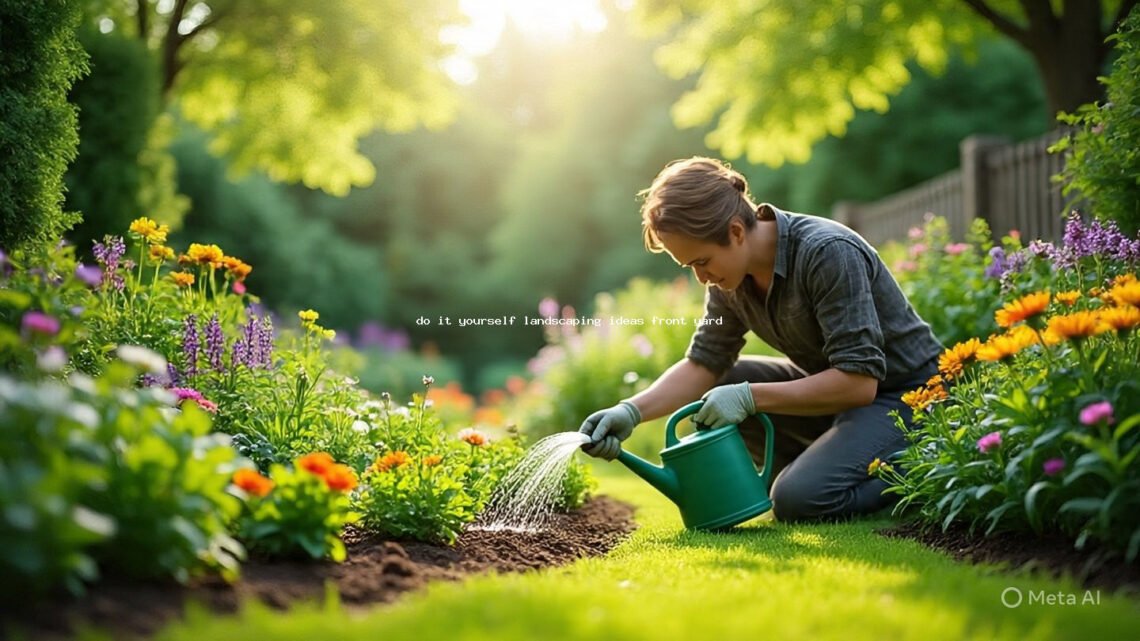
do it yourself landscaping ideas front yard
Do It Yourself Landscaping Ideas Front Yard
The front yard is more than just a patch of green; it’s the welcoming embrace of your home, the first impression you make on guests and passersby, and a reflection of your personal style and care. For homeowners in bustling cities like Bengaluru, where green spaces are a cherished luxury, a well-landscaped front yard offers a tranquil escape from the urban chaos. Embarking on a “Do It Yourself” (DIY) landscaping journey for your front yard is not just about saving money; it’s a deeply rewarding endeavor that allows you to infuse your personality into every corner, choose plants that thrive in our unique climate, and create a sustainable, beautiful space that resonates with your lifestyle. Imagine stepping out each morning to a vibrant display of native flowers, the soothing rustle of leaves, or the gentle fragrance of jasmine – all crafted by your own hands. Beyond the aesthetic appeal, a thoughtfully designed front yard significantly enhances your home’s curb appeal, potentially increasing its property value. It also contributes to a healthier microclimate around your home, providing shade, reducing heat absorption, and even improving air quality, which is particularly beneficial in our city’s environment. Moreover, the act of gardening itself is a therapeutic and mindful activity, offering a wonderful way to de-stress, connect with nature, and engage in physical activity. From selecting drought-tolerant plants that conserve water – a critical concern in Bengaluru – to incorporating local materials like Kadappa stone or terracotta, DIY landscaping empowers you to make eco-conscious choices. It allows for a gradual transformation, letting your garden evolve with your vision and budget, rather than a one-time, expensive overhaul. Whether you dream of a vibrant tropical paradise, a serene minimalist haven, or a productive edible landscape, the possibilities are endless when you take the reins of your front yard’s destiny. This guide will equip you with the knowledge, inspiration, and practical tips to transform your front yard into a stunning, personalized masterpiece, reflecting the beauty and spirit of Bengaluru.
1. Planning Your Bengaluru Front Yard Oasis: The Foundation of Success
Before you even think about digging, the most crucial step in any successful DIY landscaping project is meticulous planning. For a Bengaluru front yard, this involves a keen understanding of our unique climate, soil conditions, and aesthetic preferences. Start by observing your front yard throughout the day and across seasons. Note the sun exposure: which areas receive full sun, partial shade, or deep shade? This will dictate your plant choices. Consider the existing drainage patterns, especially during the monsoon season. Does water tend to pool in certain areas? Addressing drainage issues upfront can prevent costly problems later. Next, understand your soil. Bengaluru’s soil is predominantly red lateritic soil, often rich in iron but sometimes lacking in organic matter and prone to compaction. A simple soil test can reveal its pH and nutrient content, guiding you on necessary amendments like adding plenty of organic compost or coco peat to improve fertility and water retention.
🔥 Our Trending Gardening Picks
Sketching your ideas is an invaluable exercise. Start with a rough layout of your property, marking existing structures like your house, driveway, and any large trees. Then, begin to envision pathways, seating areas, planting beds, and focal points. Think about the flow – how will people move through the space? What views do you want to highlight or screen? Consider the “zones” of your front yard: perhaps a welcoming entry path, a small seating nook, and a vibrant border along the fence. Don’t forget to factor in practical elements like irrigation systems, outdoor lighting, and space for utility boxes or bins, ensuring they are either integrated seamlessly or cleverly concealed. Setting a realistic budget is also paramount. DIY doesn’t mean free, but it does mean you control where every rupee goes. Prioritize your needs – are beautiful plants more important than an elaborate pathway initially? You can always phase your project, tackling one section at a time. Research local plant nurseries for availability and prices, and look into sourcing local materials which can be both cost-effective and environmentally friendly. Remember, a well-thought-out plan saves time, money, and frustration in the long run, ensuring your Bengaluru front yard oasis becomes a reality. This foundational step is where your vision truly takes shape, preparing you for the exciting transformation ahead.
Understanding Local Climate and Soil
Bengaluru experiences distinct seasons, with hot summers, a monsoon period, and mild winters. This dictates plant choices; focus on species that can withstand both drought and heavy rainfall. Our red soil often benefits from significant organic matter additions to improve texture and fertility. Incorporate compost, vermicompost, and coco peat liberally to create an ideal growing medium for a wide range of plants.
Designing for Functionality and Aesthetics
Beyond beauty, consider how you’ll use your front yard. Do you need a clear path to the door? Space for a small potted herb garden? A quiet corner for a morning cup of chai? Integrate these functional needs into your design. Think about scale and proportion, ensuring that elements are balanced and don’t overwhelm the space. A strong focal point, like a beautiful flowering tree or a sculptural element, can anchor your design.
2. Smart Plant Choices for Bengaluru’s Climate: Green & Gorgeous
Choosing the right plants is arguably the most exciting and impactful part of DIY landscaping, especially when aiming for a sustainable and thriving front yard in Bengaluru. Given our city’s unique climate – characterized by hot, dry periods and intense monsoons – selecting resilient, water-wise, and low-maintenance species is key. Start by prioritizing native plants or those well-adapted to tropical and subtropical conditions. These plants are naturally better suited to our soil and weather, requiring less intervention once established and supporting local biodiversity. Think vibrant Bougainvillea, which bursts with color and thrives on neglect, or the fragrant Frangipani (Champa), a classic Indian garden staple known for its beautiful flowers and easy care. Hibiscus varieties, with their large, showy blooms, are also excellent choices, providing continuous color. For ground cover and borders, consider varieties of Portulaca, Vinca (Periwinkle), or even some local grasses that can withstand fluctuating moisture levels.
Drought-tolerant plants are your best friends in Bengaluru, helping you conserve precious water. Succulents like Aloe Vera, various Sedums, and Agaves not only add architectural interest but also require minimal watering. Adenium (Desert Rose) is another stunning, water-wise option, offering unique forms and vibrant flowers. Don’t shy away from incorporating small trees or large shrubs if space permits, as they provide shade, structure, and habitat. Neem, Jamun, or even a compact Mango tree (if space allows) can be fantastic long-term investments. For those who enjoy culinary gardening, consider planting easy-to-grow herbs like Curry Leaves, Mint, Basil, or Lemongrass in pots or designated beds. These plants not only add utility but also bring wonderful aromas to your front yard. Remember to group plants with similar water and sun requirements together – this makes watering more efficient and helps all your plants thrive. Investing in healthy saplings from reputable local nurseries will give your plants the best start. Finally, don’t forget the importance of mulching around your plants. A good layer of organic mulch (like coco peat, wood chips, or dried leaves) helps retain soil moisture, suppress weeds, and regulate soil temperature, significantly reducing your watering and weeding efforts. https://ecorganicas.org/tag/aloe-vera-plant-stekken/ for more on drought-tolerant gardening.
Flowering Shrubs and Perennials
For continuous color, consider plants like Ixora, Lantana, Pentas, and different varieties of Jasmines (Mogra, Juhi). These plants are generally robust, produce abundant flowers, and attract pollinators. Rotate seasonal flowers like Marigolds and Petunias in pots for dynamic displays.
Edible and Medicinal Plants
Transform a part of your front yard into a mini-kitchen garden. Dwarf varieties of chili, tomato, brinjal, or spinach can thrive in pots or raised beds. Medicinal plants like Tulasi (Holy Basil), Ajwain, and Brahmi are not only useful but also add a traditional touch to your garden, aligning with Indian cultural practices.
3. Hardscaping Elements: Beyond Just Plants for Structure and Style
While plants bring life and color to your front yard, hardscaping elements provide the structure, functionality, and definition that tie the entire landscape together. These non-living components, such as pathways, patios, retaining walls, and decorative features, are essential for creating a cohesive and inviting space. For a DIY project in Bengaluru, choosing durable, locally available, and easy-to-work-with materials is paramount. Pathways are often the first hardscaping element homeowners consider. Options range from simple gravel paths, which are cost-effective and easy to install, to stepping stones made of Kadappa stone or concrete pavers, offering a more formal look. Ensure pathways are wide enough for comfortable passage (at least 3 feet) and have a slight slope for drainage. Edging materials like brick, natural stone, or recycled plastic can define planting beds and pathways, giving your garden a neat, finished appearance and preventing soil erosion.
If your front yard has a slope, consider incorporating small retaining walls using local stones or bricks. These not only prevent erosion but also create terraced planting beds, adding visual interest and making sloped areas more usable. A small seating area, perhaps a simple bench tucked under a tree or a couple of chairs on a small paved patio, can transform your front yard into a space for relaxation and enjoyment. For decorative elements, think about a traditional terracotta bird bath, a small stone sculpture, or even a beautifully crafted ceramic pot as a focal point. Water features, even a small, self-contained fountain, can add a soothing sound and attract birds, enhancing the sensory experience of your front yard without requiring extensive plumbing. When selecting materials, consider their aesthetic appeal, durability, and how they complement your home’s architecture. Locally sourced materials often blend seamlessly with the regional landscape and can be more sustainable. Always prepare your base properly for any hardscaping – good compaction and leveling are crucial for longevity. With careful planning, these hardscaping elements can dramatically elevate the appeal and functionality of your Bengaluru front yard, making it truly stand out. https://ecorganicas.com/garden-tips/ for more on sustainable hardscaping materials.
Pathways and Edging
Define your garden’s flow with well-designed pathways. Gravel paths are economical and permeable, allowing rainwater to seep into the ground. Stepping stones made from natural materials like Kadappa stone or granite slabs provide a more rustic yet elegant touch. For edging, use bricks laid on their side, small river stones, or even bamboo poles to create neat divisions between beds and paths.
Seating and Focal Points
A small, strategically placed garden bench or a pair of chairs can create an inviting spot for morning coffee. Introduce a focal point like a terracotta urn, a decorative planter with a striking plant, or a traditional Indian garden sculpture to draw the eye and add character. Ensure these elements are proportional to your space.
4. Low-Maintenance Landscaping for Busy Bengaluru Lives
In the fast-paced life of Bengaluru, a beautiful front yard shouldn’t become another chore on your already packed schedule. The key to a successful DIY landscape is designing it for low maintenance from the outset. This means making smart choices about plants, materials, and techniques that minimize the need for constant watering, weeding, pruning, and pest control. One of the most effective strategies is grouping plants with similar needs together – this is often referred to as “hydrozoning.” By placing all your drought-tolerant plants in one area and those requiring more moisture in another, you can optimize your watering schedule and reduce water waste. Consider installing a simple drip irrigation system or soaker hoses, especially for larger planting beds. These systems deliver water directly to the plant roots, minimizing evaporation and ensuring efficient hydration, which is a game-changer during Bengaluru’s dry spells. You can even automate them with a timer for ultimate convenience.
Mulching is another superstar in the low-maintenance arsenal. A generous layer (2-4 inches) of organic mulch like coco peat, wood chips, or dried leaves around your plants does wonders. It suppresses weed growth, saving you countless hours of weeding. It also retains soil moisture, significantly reducing your watering frequency. Furthermore, as organic mulch breaks down, it slowly enriches the soil, improving its health and fertility over time. When selecting plants, opt for slow-growing varieties that require less frequent pruning. Native plants or well-adapted species are often more resistant to local pests and diseases, reducing the need for chemical interventions. Ground covers are excellent for filling in bare spots and suppressing weeds; think about creeping varieties of Sedum or Portulaca. Designing your hardscaping elements with maintenance in mind also helps. Choose permeable surfaces like gravel or stepping stones set in sand, as they require less upkeep than solid concrete slabs that might crack or settle. Ensure good drainage to prevent waterlogging and reduce mildew or moss growth. By incorporating these low-maintenance principles, you can enjoy a stunning, vibrant front yard in Bengaluru without it becoming a burdensome commitment, leaving you more time to simply relax and admire your handiwork. https://ecorganicas.org/tag/aloe-vera-plant-stekken/ for more low-maintenance gardening tips.
Efficient Watering Systems
Invest in a basic drip irrigation kit for your beds and pots. These systems are easy to install, cost-effective, and save a tremendous amount of water by delivering it directly to the root zone. Consider adding a simple timer for automated watering, especially beneficial if you travel frequently or have a busy schedule.
Smart Plant Choices for Minimal Care
Opt for evergreen, slow-growing shrubs and perennials that don’t require constant pruning. Many succulents, cacti, and ornamental grasses fit this bill perfectly. Avoid plants known for excessive shedding or those prone to frequent pest attacks, unless you are prepared for the extra effort.
5. Adding Personality: Decorative Touches & Lighting for Evening Charm
Once the foundational elements of plants and hardscaping are in place, it’s time to infuse your front yard with personality through decorative touches and strategic lighting. These elements are the finishing strokes that elevate your garden from merely functional to truly enchanting, reflecting your individual style and creating an inviting ambiance, especially during Bengaluru’s pleasant evenings. Consider garden ornaments that resonate with your aesthetic. This could be anything from traditional terracotta pots and urulis (traditional Indian cooking vessels now used as decorative water features or planters) to contemporary metallic sculptures or intricately carved stone figures. A beautifully crafted bird bath can attract local birdlife, adding movement and sound to your garden. Ensure these decorative pieces are proportional to your space and don’t overcrowd the area; often, a few well-chosen items make a bigger impact than many small ones.
Pots and planters offer immense versatility and are perfect for adding splashes of color or creating temporary displays. Use terracotta, ceramic, or even recycled materials like old tires painted creatively, to house seasonal flowers, herbs, or small shrubs. They can be rearranged to refresh your look, highlight specific areas, or bring plants indoors during extreme weather. Vertical gardening solutions, such as wall planters or trellises for climbers like Money Plant (Pothos), Bougainvillea, or Passionflower, are excellent for maximizing space in smaller Bengaluru front yards and adding a lush, green backdrop. Lighting plays a pivotal role in extending the enjoyment of your front yard into the evening hours. Solar-powered garden lights are a fantastic DIY option – they are easy to install, require no wiring, and are energy-efficient. Use them to illuminate pathways for safety, highlight a beautiful tree or sculpture, or create a warm glow around a seating area. String lights draped across a patio or trellis can add a festive, magical touch. Consider uplighting for dramatic effect on trees or architectural features of your home. Low-voltage LED lights are another durable and energy-saving option for more permanent installations. By carefully selecting decorative elements and designing a thoughtful lighting scheme, your Bengaluru front yard will not only look stunning during the day but will transform into a captivating, welcoming haven after sunset. https://ecorganicas.com/garden-tips/ for creative garden decor ideas.
Curating Garden Art and Planters
Select garden art that complements your home’s style. A vibrant ceramic pot holding a blooming Kalanchoe, a rustic metal sculpture, or even a collection of wind chimes can add character. Group planters of varying sizes and heights for a dynamic arrangement, using them to create miniature garden vignettes.
Strategic Lighting for Ambiance and Safety
Solar path lights are easy to install and provide subtle illumination for walkways. Spotlights can highlight key plants or architectural features. For a cozy evening atmosphere, hang string lights around a seating area or wrap them around a small tree. Ensure all outdoor lighting is weather-resistant and positioned to avoid glare.
Comparison of DIY Front Yard Pathway Materials
Creating a defined pathway in your front yard not only enhances accessibility but also adds significant aesthetic appeal. Here’s a comparison of common DIY-friendly pathway materials suitable for a Bengaluru context:
| Material | Pros | Cons | DIY Difficulty | Bengaluru Suitability |
|---|---|---|---|---|
| Gravel Pathway | Economical, excellent drainage, easy to install, rustic look, permeable. | Can shift over time, requires edging, weeds can sprout through, not ideal for heavy foot traffic/wheelchairs. | Low | High (Good for monsoon drainage, readily available). |
| Stepping Stones (Kadappa/Granite) | Natural aesthetic, durable, permeable (if spaced), relatively easy to lay, good for short paths. | Can be uneven, requires some leveling, weeds can grow between stones, heavy to transport. | Medium | High (Kadappa stone is local and affordable). |
| Brick Pavers | Classic look, durable, various patterns, good grip, permeable (if dry-laid). | More expensive than gravel, requires careful leveling and cutting, can be labor-intensive. | Medium-High | Medium-High (Bricks are common, but installation takes skill). |
| Wood Slices/Logs | Unique, rustic, natural look, can be sourced locally. | Requires regular treatment against termites/rot, can become slippery when wet, shorter lifespan. | Medium | Medium (Termite prevention is crucial in our climate). |
| Recycled Rubber Pavers | Eco-friendly, soft underfoot, slip-resistant, easy to install, low maintenance. | Can be more expensive upfront, limited aesthetic options, may fade over time. | Low | High (Excellent for safety, good in varied weather). |
Expert Tips for Your DIY Front Yard Landscaping Project
- Start Small: Don’t try to tackle the entire front yard at once. Break your project into manageable phases, focusing on one area or element at a time.
- Observe Your Garden: Spend time watching how sun, shade, and water interact with your space throughout the day and year. This invaluable observation will inform your design choices.
- Water Wisely: Invest in efficient watering methods like drip irrigation or soaker hoses, and water deeply but infrequently to encourage strong root growth, especially during dry spells.
- Choose Local and Native: Prioritize plants that are native to or well-adapted to Bengaluru’s climate. They require less water, fewer chemicals, and are more resistant to local pests and diseases. https://ecorganicas.org/tag/aloe-vera-plant-stekken/ for more on native plants.
- Compost is King: Regularly amend your soil with homemade or store-bought compost. It improves soil structure, fertility, and water retention, which is crucial for Bengaluru’s red soil.
- Plan for Drainage: Ensure good drainage to prevent waterlogging, especially during monsoon. Incorporate swales, French drains, or simply slope beds away from your home’s foundation.
- Consider Vertical Gardening: If space is limited, look upwards! Trellises, wall planters, and hanging baskets can add significant greenery and color without occupying precious ground space.
- Safety First: Always wear appropriate protective gear (gloves, sturdy shoes, eye protection) when working with tools or handling soil and plants.
- Think Long-Term: Choose durable materials and plants that will grow well over time. Consider the mature size of plants to avoid overcrowding.
- Embrace Imperfection: Your garden is a living, evolving space. Don’t stress over every detail; enjoy the process and the natural beauty that unfolds.
Frequently Asked Questions (FAQ)
How much does DIY front yard landscaping typically cost in Bengaluru?
The cost varies significantly based on the scale of your project, the materials you choose, and the plants you select. A small project with basic plants and gravel pathways might start from INR 10,000-20,000, while a more elaborate one with hardscaping, larger plants, and lighting could easily run upwards of INR 50,000-1,00,000 or more. The biggest cost saving in DIY is labor. Local sourcing of materials and plants can help keep costs down. https://ecorganicas.com/ for budgeting tools.
What are the best plants for a shady front yard in Bengaluru?
For shady areas, consider plants like various varieties of Ferns, Money Plant (Pothos), Peace Lily (Spathiphyllum), Aglaonema (Chinese Evergreen), Alocasia, and some types of Caladiums. These plants thrive in lower light conditions and add lush greenery. For flowering options, some types of Impatiens or Begonias can tolerate partial shade.
How often should I water my newly landscaped front yard?
Newly planted gardens require more frequent watering to establish their root systems. Generally, water deeply every 1-2 days for the first few weeks, depending on the plant type and weather. Once established, reduce frequency and water more deeply, encouraging roots to seek water further down. Always check soil moisture before watering to avoid overwatering.
Can I do DIY landscaping if I have a very small front yard or apartment balcony?
Absolutely! Small spaces are perfect for DIY projects. Focus on vertical gardening with wall planters, hanging baskets, and trellises. Use compact, dwarf varieties of plants. Strategically placed pots and a small seating element can create a cozy, inviting space. The principles of planning and plant selection still apply, just on a smaller scale.
When is the best time to start a DIY landscaping project in Bengaluru?
The post-monsoon period (September to November) is often ideal. The soil is moist, and the weather is pleasant, allowing new plants to establish before the peak summer heat. However, smaller projects like planting pots or adding decorative elements can be done year-round, with extra care during harsh summers.
What are some common mistakes to avoid in DIY front yard landscaping?
Common mistakes include not planning adequately, choosing plants that are unsuitable for the local climate or sun exposure, neglecting soil preparation, overcrowding plants, and overlooking drainage. Another mistake is trying to do too much too soon; starting small and learning as you go is often more sustainable and enjoyable.
Transforming your front yard into a beautiful, personalized oasis is a deeply satisfying journey, and with these DIY ideas tailored for Bengaluru, you’re well on your way. From thoughtful planning and smart plant choices to elegant hardscaping and charming decorative touches, every step you take brings you closer to the garden of your dreams. Don’t let the urban bustle deter you; embrace the joy of creating a green sanctuary right at your doorstep. For an even more comprehensive guide and exclusive plant lists, download our detailed PDF. And for all your gardening needs, from tools to unique plant varieties, visit our online shop!
📥 Download Complete Guide
🛒 Shop Now
Discover more from Ecorganicas
Subscribe to get the latest posts sent to your email.