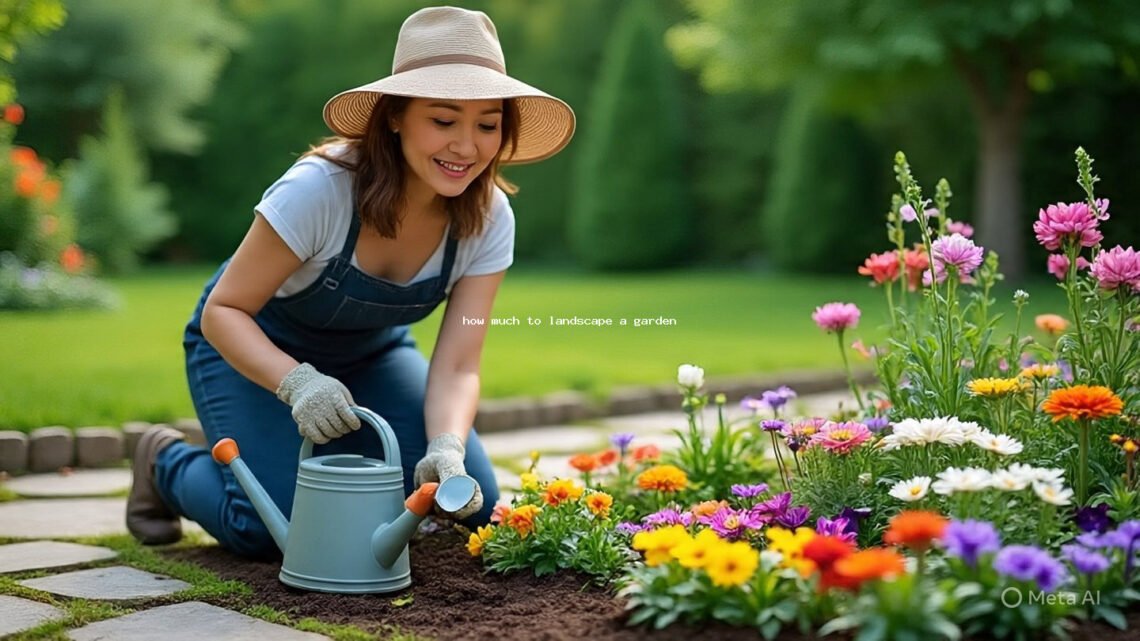
how much to landscape a garden
How Much to Landscape a Garden
The dream of a lush, vibrant garden is a universal one, especially for homeowners in a bustling metropolis like Bengaluru. Imagine stepping out into your private oasis, a space that not only offers respite from the city’s hustle and bustle but also reflects your personal style and enhances your home’s curb appeal. Landscaping isn’t merely about planting a few shrubs; it’s an art and a science that transforms an ordinary plot of land into an extraordinary living space. It’s about creating a harmonious environment where aesthetics meet functionality, where every plant, stone, and water feature plays a crucial role in the overall symphony. A well-landscaped garden offers a myriad of benefits that extend far beyond visual appeal. It significantly increases your property’s value, making it a sound investment for the future. Beyond the financial returns, it fosters a healthier living environment by improving air quality, reducing ambient temperatures, and creating a habitat for local flora and fauna. For the residents of Bengaluru, known for its pleasant weather and love for green spaces, a thoughtfully designed garden can become a personal sanctuary, a place for morning chai, evening strolls, or weekend gatherings with loved ones. It boosts mental well-being, providing a connection to nature that is often lost in urban living. The rustling of leaves, the scent of blooming flowers, and the gentle chirping of birds can all contribute to a sense of calm and tranquility. However, as with any significant home improvement project, one of the first and most pressing questions that arises is: “How much will it cost to landscape my garden?” The answer, as you might expect, is not simple and depends on a multitude of factors, from the size and complexity of your vision to the choice of materials and the expertise of the professionals you engage. This comprehensive guide aims to demystify the costs involved in landscaping a garden in Bengaluru, helping you budget effectively and realize your dream garden without any unpleasant surprises. We’ll delve into various elements, from softscaping and hardscaping to professional fees and long-term maintenance, providing you with a clear roadmap to navigate this exciting journey.
Understanding the Factors That Influence Landscaping Costs
Embarking on a garden landscaping project in Bengaluru requires a clear understanding of the many variables that will shape your final expenditure. The cost isn’t a fixed figure but rather a dynamic sum influenced by several key decisions and site-specific conditions. Acknowledging these factors upfront will empower you to make informed choices and manage your budget effectively, ensuring your dream garden doesn’t turn into a financial nightmare. From the initial survey of your plot to the final touches, every element contributes to the overall investment, and understanding this intricate web is the first step towards a successful landscaping venture.
🔥 Our Trending Gardening Picks
Garden Size and Layout
Naturally, the larger your garden, the more materials, labor, and time will be required, directly impacting the cost. A small balcony garden or a compact urban yard will have a significantly different price tag compared to a sprawling villa garden in the outskirts of Bengaluru. Beyond sheer size, the existing layout also plays a crucial role. Is your garden a flat, empty canvas, or does it have existing features like mature trees, uneven terrain, or old structures that need to be removed or integrated? Site preparation, including grading, leveling, and clearing debris, can add substantial costs. A complex layout with multiple levels, winding pathways, or intricate planting beds will require more detailed design work and skilled labor than a simple, open lawn. Access to your garden also matters; if heavy machinery or large quantities of materials cannot easily reach the site, manual labor costs might increase due to the extra effort involved in transportation within the property.
Material Choices: From Local to Exotic
The selection of materials is perhaps one of the most significant cost drivers. Bengaluru offers a fantastic range of options, from locally sourced natural stones like Kadapa or Kota to imported marble or high-end composite decking. For softscaping, local nurseries provide a cost-effective way to acquire a variety of plants, shrubs, and trees suitable for the Bengaluru climate. Opting for indigenous, drought-tolerant species can also reduce long-term irrigation costs. However, if your vision includes exotic plants, rare specimens, or specific varieties that need to be imported or cultivated under special conditions, expect a higher price. Similarly, for hardscaping, choosing between locally available gravel, concrete pavers, natural stone, or expensive imported tiles will drastically alter your budget. Even the type of soil and mulch can vary in price depending on its quality and source. Always balance aesthetics with practicality and budget, exploring options that offer good value without compromising your vision.
Labor and Expertise
The cost of labor in Bengaluru, while generally more affordable than Western counterparts, still represents a significant portion of the landscaping budget. This includes not just the daily wages of general laborers but also the fees for skilled professionals like masons, carpenters, electricians, plumbers, and most importantly, experienced landscapers or landscape architects. The more intricate and specialized your design, the higher the demand for skilled labor, which naturally comes at a premium. Engaging a reputable landscape designer or architect, while an upfront investment, can save you money in the long run by ensuring efficient planning, material selection, and project execution, avoiding costly mistakes. Their expertise in design, horticulture, and project management is invaluable. Always ask for detailed quotes that break down labor costs separately from materials.
Design Complexity and Features
The ambition of your design directly correlates with its cost. A minimalist garden with a simple lawn and a few border plants will be far more economical than a multi-functional space featuring an elaborate water fountain, a bespoke pergola, an outdoor kitchen, or a custom-built seating area. Each additional feature, whether it’s an automated irrigation system, intricate lighting, or a Koi pond, adds layers of complexity and cost. Consider the structural requirements for hardscaping elements like retaining walls, raised beds, or paved pathways. The more curves, angles, and varying levels your design incorporates, the more labor-intensive it becomes. Unique design elements often require custom fabrication or specialized installation techniques, further driving up costs. Prioritizing your desired features and understanding their individual cost implications is crucial for managing your budget.
Site Preparation and Accessibility
Before any beautiful plants are put into the ground or pavers are laid, the site itself needs to be prepared. This often involves significant work, especially in established gardens or neglected plots. Tasks like soil testing, soil amendment (to improve fertility or drainage), clearing existing vegetation, removing old concrete or structures, and grading the land can be time-consuming and costly. If your garden has poor drainage, installing a proper drainage system is essential but adds to the expense. Accessibility to your property for material delivery and machinery can also affect costs. If trucks cannot easily reach the garden, materials might need to be transported manually over longer distances, increasing labor hours and associated expenses. Always factor in these crucial groundwork stages when planning your budget.
Breaking Down Landscaping Costs by Project Type
To accurately estimate how much to landscape a garden in Bengaluru, it’s helpful to break down the project into its fundamental components. Each category of landscaping work carries its own set of costs, influenced by materials, labor, and complexity. By understanding these individual cost centers, you can better allocate your budget and prioritize elements that align with your vision and financial constraints. This section will guide you through the typical expenditures associated with various landscaping elements, providing a clearer picture of where your money will go.
Softscaping Costs (Plants, Soil, Mulch)
Softscaping refers to the living elements of your garden – the plants, trees, shrubs, flowers, and grass. This is often the heart and soul of any garden, bringing color, life, and fragrance. Costs here are primarily driven by the type, size, and quantity of plants. Common lawn grasses like Bermuda or Zoysia are relatively affordable, while specialized turf or artificial grass can be significantly more expensive. For plants, a small sapling from a local nursery might cost a few hundred rupees, whereas a mature tree requiring specialized transportation and planting could run into several thousands or even lakhs. Indigenous plants are generally more budget-friendly and well-suited to Bengaluru’s climate, requiring less ongoing care. Soil amendment, which is crucial for healthy plant growth, involves adding compost, manure, or specific soil mixtures to improve fertility and drainage. Mulch, used for moisture retention and weed suppression, can range from inexpensive wood chips to decorative bark or stones. Don’t forget the cost of fertilizers, pest control, and initial watering systems. Investing in good quality soil and healthy plants upfront pays dividends in the long run, reducing replacement costs and maintenance efforts. Expect this category to be a significant, yet rewarding, part of your overall budget.
Hardscaping Costs (Patios, Walkways, Walls)
Hardscaping involves the non-living elements that provide structure and functionality to your garden. This includes patios, walkways, driveways, retaining walls, steps, and decorative stone features. The cost here is heavily dependent on the material chosen and the intricacy of the design. Concrete pavers are a popular and relatively cost-effective option, while natural stones like granite, sandstone, or Kadapa from various parts of India offer a more premium look and feel but come with a higher price tag. Imported tiles or designer pavers will be at the higher end of the spectrum. Installation costs for hardscaping can be substantial, as it requires skilled labor for excavation, base preparation, laying, and finishing. Retaining walls, essential for sloped gardens or creating raised beds, can vary widely based on height, length, material (e.g., concrete blocks, natural stone, timber), and engineering requirements. Custom-built benches or fire pits also fall under hardscaping and will add to the budget. Always ensure proper drainage and foundation work for hardscaping elements to prevent future issues and costly repairs. https://ecorganicas.org/privacy-policy/ for tips on choosing durable materials that stand the test of time.
Water Features and Irrigation Systems
The soothing sound of water can transform a garden into a tranquil retreat. Water features, ranging from simple bird baths and wall fountains to elaborate ponds with filtration systems or cascading waterfalls, can significantly enhance your garden’s appeal. However, they also add to the cost, not just for installation but also for ongoing maintenance, electricity for pumps, and water usage. The complexity of the design, the size of the feature, and the materials used will dictate the price. For a sustainable and low-maintenance garden, an efficient irrigation system is almost a necessity, especially in Bengaluru’s varying weather patterns. Drip irrigation systems are highly recommended for their water efficiency and can be automated, saving you time and effort. While the initial investment for an automated system with timers and sensors might seem high, it leads to significant water savings and healthier plants in the long run. Manual systems, while cheaper to install, require consistent attention.
Lighting and Electrical Work
Garden lighting extends the usability and beauty of your garden beyond daylight hours, creating stunning nighttime aesthetics and enhancing security. Options range from simple solar-powered path lights to sophisticated low-voltage LED systems that highlight specific plants, features, or pathways. The cost depends on the number of fixtures, type of lights (spotlights, path lights, accent lights), quality of wiring, and whether professional electrical installation is required. For safety and compliance, especially with outdoor wiring, it’s crucial to hire a certified electrician. Incorporating outdoor power outlets for tools, music, or festive lighting also adds to the electrical work. Smart lighting systems, which can be controlled via apps or voice commands, offer convenience but come with a higher price point. This is an area where a little planning can go a long way in creating the perfect ambiance for evening enjoyment.
Specialized Structures (Pergolas, Gazebos)
Structures like pergolas, gazebos, arbors, or garden sheds add architectural interest, shade, and functional spaces to your garden. A pergola can define an outdoor dining area, a gazebo offers a cozy retreat, and a shed provides essential storage for gardening tools. The cost of these structures varies widely based on size, material (wood, metal, composite), design complexity, and whether they are custom-built or pre-fabricated. A simple, small wooden pergola might be relatively inexpensive, while a large, ornate custom-designed gazebo with intricate detailing and built-in seating will be a significant investment. Always consider the structural integrity and durability, especially for larger structures that need to withstand Bengaluru’s weather. Installation fees for these structures can also be substantial, requiring skilled carpenters or builders. These elements often become focal points of the garden and should be chosen carefully to complement the overall design.
The Design Process and Professional Fees
While some homeowners might be tempted to jump straight into planting and paving, engaging with a professional landscape designer or architect can be one of the most valuable investments you make in your garden project. Their expertise can transform a vague idea into a coherent, beautiful, and functional reality, often saving you money and headaches in the long run. Understanding the design process and the associated fees is crucial for a well-planned and executed landscaping venture in Bengaluru.
Why Professional Design Matters
A professional landscape design goes beyond just aesthetics; it’s about creating a sustainable, functional, and harmonious outdoor space. A designer considers factors like soil type, water drainage, sun exposure, wind patterns, existing vegetation, and your lifestyle needs. They can help you select plants that thrive in Bengaluru’s climate, design efficient irrigation systems, plan for proper lighting, and create spaces that flow seamlessly from your indoor living areas. Without a professional plan, you risk making costly mistakes, such as choosing plants that won’t survive, installing features that don’t fit the space, or overlooking crucial elements like drainage, leading to future problems. A well-thought-out design ensures that every rupee spent contributes to a cohesive and beautiful outcome, maximizing your return on investment and creating a garden that truly enhances your home and lifestyle. It also provides a clear roadmap for contractors, ensuring accurate execution and minimizing miscommunications.
Landscape Architect vs. Garden Designer
Understanding the difference between a landscape architect and a garden designer is important when choosing the right professional for your project. A landscape architect typically holds a university degree and is qualified to handle large-scale projects, complex site planning, structural engineering aspects (like retaining walls on steep slopes), and public spaces. They are trained in grading, drainage, and often work with urban planning. Their fees are generally higher due to their extensive training and scope of work. A garden designer, on the other hand, usually focuses on smaller residential gardens, specializing in planting design, aesthetic layouts, and material selection. They may have certifications or extensive practical experience. For most residential garden landscaping projects in Bengaluru, a skilled garden designer is often sufficient and more budget-friendly, offering creative solutions and practical advice. For very complex projects, especially those involving significant structural changes or environmental considerations, a landscape architect might be more appropriate. Always check their portfolio and references to ensure their style aligns with your vision.
Understanding Design Fees
Design fees can be structured in several ways. Some designers charge a flat fee for the entire project, which typically includes initial consultation, conceptual drawings, detailed plans, and material specifications. Others might charge an hourly rate, especially for smaller projects or consultations. A common method is a percentage of the total project cost, usually ranging from 10% to 20%, depending on the designer’s experience and the project’s complexity. For a detailed design plan for a medium-sized garden in Bengaluru, expect fees to range from INR 20,000 to INR 1,50,000 or more, depending on the scope. This fee covers the intellectual work, creative vision, and technical drawings that are essential for a successful project. Be wary of designers who offer extremely low fees, as this might indicate a lack of experience or a less comprehensive service. Always get a detailed proposal outlining what is included in the design fee before committing. Remember, a good design is an investment that can prevent costly mistakes during execution and ultimately enhance the value and enjoyment of your garden for years to come.
The Importance of a Detailed Plan
A detailed landscape plan is the blueprint for your garden, much like architectural drawings for a house. It typically includes scaled drawings showing the layout of all elements – planting beds, pathways, patios, water features, lighting, and irrigation lines. It will specify plant varieties, hardscaping materials, and construction details. This plan is invaluable for several reasons: it provides clarity for contractors, ensuring everyone is working towards the same vision; it helps in accurate cost estimation, as contractors can bid precisely on materials and labor; and it allows you to visualize the final outcome before any work begins, making it easier to make adjustments on paper rather than costly changes on site. A comprehensive plan also includes a planting schedule, maintenance guidelines, and sometimes even 3D renderings to help you fully grasp the design. Insist on a detailed plan from your designer, as this document will be your guide throughout the entire landscaping journey, from procurement to installation. For more insights on planning your garden, check out https://ecorganicas.org/category/organic/.
Smart Budgeting and Cost-Saving Strategies for Your Bengaluru Garden
Landscaping your garden, while a significant investment, doesn’t have to break the bank. With smart planning, strategic choices, and a willingness to get a little hands-on, you can create a beautiful and functional outdoor space without compromising on quality. For homeowners in Bengaluru, there are numerous opportunities to optimize your budget and achieve your dream garden economically. This section explores practical strategies to help you save money while still creating a stunning landscape.
Phased Approach
One of the most effective ways to manage landscaping costs is to adopt a phased approach. Instead of tackling the entire project at once, break it down into manageable stages over time. Start with the most essential elements, like crucial hardscaping (patios, main pathways) and foundational planting (trees, major shrubs). Once these are established, you can gradually add decorative elements, smaller planting beds, water features, or lighting as your budget allows. This not only spreads the financial burden but also allows you to live with certain elements for a while, giving you a better sense of what you truly need or want before investing further. For example, you might install the main patio and a basic lawn in the first year, add a pergola and flower beds in the second, and install an elaborate water feature in the third. This incremental approach makes the project less daunting and more financially feasible for many Bengaluru homeowners.
DIY vs. Professional Help
Deciding what to do yourself and what to outsource to professionals can lead to substantial savings. For simple tasks like planting small shrubs, spreading mulch, basic weeding, or even painting a fence, your own labor can be a cost-free resource. However, for specialized tasks such as installing complex irrigation systems, laying intricate paving, constructing retaining walls, or handling electrical wiring, it’s almost always better to hire experienced professionals. Attempting these without the necessary skills can lead to costly mistakes, safety hazards, and an unsatisfactory finish. A balanced approach often works best: take on the tasks you are confident in and enjoy, and delegate the more challenging or critical jobs to experts. Always weigh the time and effort you’ll put in against the cost savings and the quality of the final outcome. Remember, your time also has a value.
Sourcing Local Materials and Plants
Bengaluru and its surrounding regions are rich in resources for gardening. Prioritize sourcing materials and plants locally whenever possible. Local nurseries offer a vast array of plants that are already acclimatized to the region, often at a fraction of the cost of imported or specialized varieties. Indigenous plants also tend to be hardier and require less maintenance, saving on water and care in the long run. For hardscaping, explore local stone quarries for options like Kadapa, Shahabad, or granite, which are more affordable than imported stones and still offer excellent durability and aesthetic appeal. Purchasing in bulk directly from suppliers rather than retailers can also yield significant discounts. Building relationships with local vendors can often lead to better prices and access to quality materials. This strategy not only saves money but also supports local businesses and reduces the carbon footprint of your project.
Repurposing and Upcycling
Embrace creativity and sustainability by incorporating repurposed and upcycled items into your garden design. Old wooden crates can become raised planters, discarded tires can be painted and used as unique flower beds, and broken pottery can be transformed into mosaic pathways or stepping stones. Vintage furniture pieces can be given a new lease on life as garden seating or decorative elements. Even construction waste like broken bricks can be used for informal pathways or as infill for raised beds. Look for second-hand items at local markets or online platforms. This approach not only saves money on new purchases but also adds character and a unique story to your garden. It’s a fantastic way to personalize your space while being environmentally conscious. https://ecorganicas.com/ for inspiration on sustainable garden design ideas.
Prioritizing Your Wishlist
Before you begin, create a comprehensive wishlist of all the features and elements you envision for your garden. Then, categorize them into “must-haves,” “nice-to-haves,” and “dream features.” This prioritization exercise is critical for budget management. Focus your initial budget on the “must-haves” – essential hardscaping, functional planting, and basic utility. Once these are secured, you can then see how much budget remains for the “nice-to-haves” and “dream features.” Be prepared to compromise on some “dream features” or defer them to a later phase if your budget is tight. This disciplined approach ensures that your core landscaping needs are met first, and you don’t overspend on extravagant elements at the expense of functionality or structural integrity. It’s about making strategic choices that align with both your aesthetic desires and your financial reality.
Long-Term Value and Maintenance Considerations
Landscaping a garden is not just a one-time expense; it’s an ongoing relationship with your outdoor space. While the initial investment might seem substantial, a well-planned and executed garden offers long-term benefits and value that often outweigh the upfront costs. Understanding these long-term considerations, particularly maintenance, is crucial for sustainable enjoyment and protecting your investment in your Bengaluru home.
Increasing Property Value
A beautifully landscaped garden is one of the most effective ways to significantly increase your property’s market value. In Bengaluru’s competitive real estate market, homes with attractive, well-maintained outdoor spaces stand out. Potential buyers are often willing to pay a premium for a house that offers a ready-to-enjoy garden, viewing it as an additional living area. Studies often suggest that good landscaping can add anywhere from 5% to 20% to a home’s value. This return on investment comes from enhanced curb appeal, improved functionality, and the perception of a higher quality of life. Furthermore, a well-designed garden shows that the homeowners have cared for their property, instilling confidence in buyers. It’s an investment that pays dividends, both financially and in terms of personal enjoyment, making your home more desirable and marketable in the long run.
Energy Efficiency and Environmental Benefits
Beyond aesthetics and property value, thoughtful landscaping can contribute to your home’s energy efficiency and offer significant environmental benefits, especially relevant in Bengaluru’s tropical climate. Strategically planted trees and shrubs can provide natural shade, reducing the need for air conditioning during hot summer months and potentially lowering your energy bills. Deciduous trees can provide shade in summer and allow sunlight through in winter. Landscaping also improves air quality by absorbing pollutants and releasing oxygen, and it helps mitigate the urban heat island effect by cooling ambient temperatures. Permeable surfaces like gravel or grass allow rainwater to infiltrate the soil, reducing stormwater runoff and replenishing groundwater, which is vital for Bengaluru’s water resources. Creating a biodiverse garden attracts local birds and beneficial insects, contributing to a healthier ecosystem. These environmental contributions add intrinsic value to your property and foster a more sustainable living environment. https://ecorganicas.com/backyard-xeriscape-ideas/ for more information on the environmental impact of urban greening.
Maintenance Costs: An Ongoing Investment
It’s vital to factor in the ongoing maintenance costs when budgeting for your garden. A beautiful garden requires regular care to thrive. This includes watering, weeding, pruning, fertilizing, pest control, and seasonal clean-ups. If you plan to do the maintenance yourself, your cost will be primarily time and materials (tools, fertilizers). However, if you hire a gardener or a landscaping service in Bengaluru, these services can range from a few thousand rupees per month for basic upkeep to higher amounts for specialized care or larger gardens. Hardscaping elements also require occasional cleaning, repairs, or sealing. Water features need regular cleaning and pump maintenance. Overlooking maintenance can quickly lead to a neglected garden, which then requires more extensive and costly rejuvenation. A general rule of thumb is to allocate 5-10% of your initial landscaping cost for annual maintenance. Planning for these ongoing expenses ensures your garden remains a source of joy and value, not a burden.
Choosing Low-Maintenance Options
For those with busy lifestyles or a desire to keep ongoing costs down, opting for low-maintenance landscaping is a smart choice. This involves selecting hardy, drought-tolerant, and slow-growing plants that require minimal pruning and watering. Native plants are often excellent low-maintenance choices as they are naturally adapted to the local climate. Incorporating more hardscaping elements like patios, paved pathways, or gravel beds can reduce the area requiring planting and thus, maintenance. Using mulching extensively can suppress weeds and retain soil moisture, cutting down on weeding and watering frequency. Consider artificial turf for lawns if you want the green look without the mowing and watering. Automated irrigation systems, while an upfront cost, can save significant time and ensure efficient watering, especially for specific plant needs. Discussing low-maintenance options with your landscape designer from the outset can help you create a beautiful garden that fits your lifestyle and budget, ensuring sustained enjoyment without excessive effort. https://ecorganicas.org/category/organic/ for ideas on creating a low-maintenance garden.
Comparison of Hardscaping Materials and Techniques
Choosing the right materials for your garden’s hardscaping elements is crucial for both aesthetics and durability. Here’s a comparison of common options in Bengaluru:
| Feature/Technique | Typical Cost (per sq ft/meter) | Pros | Cons | Best Use |
|---|---|---|---|---|
| Concrete Pavers | INR 50-150 / sq ft | Versatile shapes/colors, durable, easy repair, good grip. | Can fade over time, weeds can grow in joints if not sealed. | Pathways, patios, driveways. |
| Kota Stone | INR 40-100 / sq ft (material) + installation | Very durable, non-porous, slip-resistant, natural look, cost-effective Indian stone. | Limited color range (green/brown tones), requires sealing, can be uneven. | Pathways, courtyards, traditional patios, wall cladding. |
| Natural Flagstones (e.g., Sandstone) | INR 100-300 / sq ft (material) + installation | Unique natural beauty, highly durable, good grip, variety of colors/textures. | More expensive, irregular shapes can complicate installation, requires sealing. | Feature patios, informal pathways, stepping stones, rustic gardens. |
| Wooden Decking (Treated Pine/WPC) | INR 150-400 / sq ft (material) + installation | Warm aesthetic, comfortable underfoot, elevated seating areas, WPC is low maintenance. | Wood requires regular maintenance (staining/sealing), can be slippery when wet, WPC is higher initial cost. | Outdoor dining areas, poolside decks, elevated seating. |
| Gravel/Crushed Stone | INR 20-50 / sq ft | Very economical, excellent drainage, permeable, easy DIY installation. | Can shift and spread, uncomfortable for bare feet, requires edging to contain. | Informal pathways, low-traffic areas, drainage solutions, minimalist gardens. |
Expert Tips for Landscaping Your Bengaluru Garden
- Start with a Detailed Plan: Never begin without a comprehensive design. It clarifies your vision, helps with budgeting, and avoids costly mistakes.
- Prioritize Functionality: Before aesthetics, think about how you want to use your garden. Will it be for entertaining, relaxation, or growing vegetables?
- Go Local with Plants: Choose native or well-adapted plants for Bengaluru’s climate. They require less water, are more resilient, and support local biodiversity.
- Think Long-Term Maintenance: Design your garden with future care in mind. Low-maintenance options can save you time and money.
- Get Multiple Quotes: Always obtain at least three detailed quotes from different landscapers or contractors for comparison.
- Consider a Phased Approach: If budget is a constraint, break your project into stages and tackle them over time.
- Invest in Good Soil: Healthy soil is the foundation of a thriving garden. Don’t skimp on soil preparation and amendments.
- Integrate Water Harvesting: Bengaluru faces water challenges. Incorporate rainwater harvesting or greywater recycling into your design.
- Lighting for Ambiance and Safety: Plan for effective garden lighting to extend usability and enhance security.
- Don’t Underestimate Drainage: Proper drainage is critical to prevent waterlogging and protect your plants and hardscaping.
Frequently Asked Questions About Landscaping Costs
How long does it typically take to landscape a garden in Bengaluru?
The duration of a landscaping project varies significantly based on its size, complexity, and the
Discover more from Ecorganicas
Subscribe to get the latest posts sent to your email.