what is landscaping
What is Landscaping?
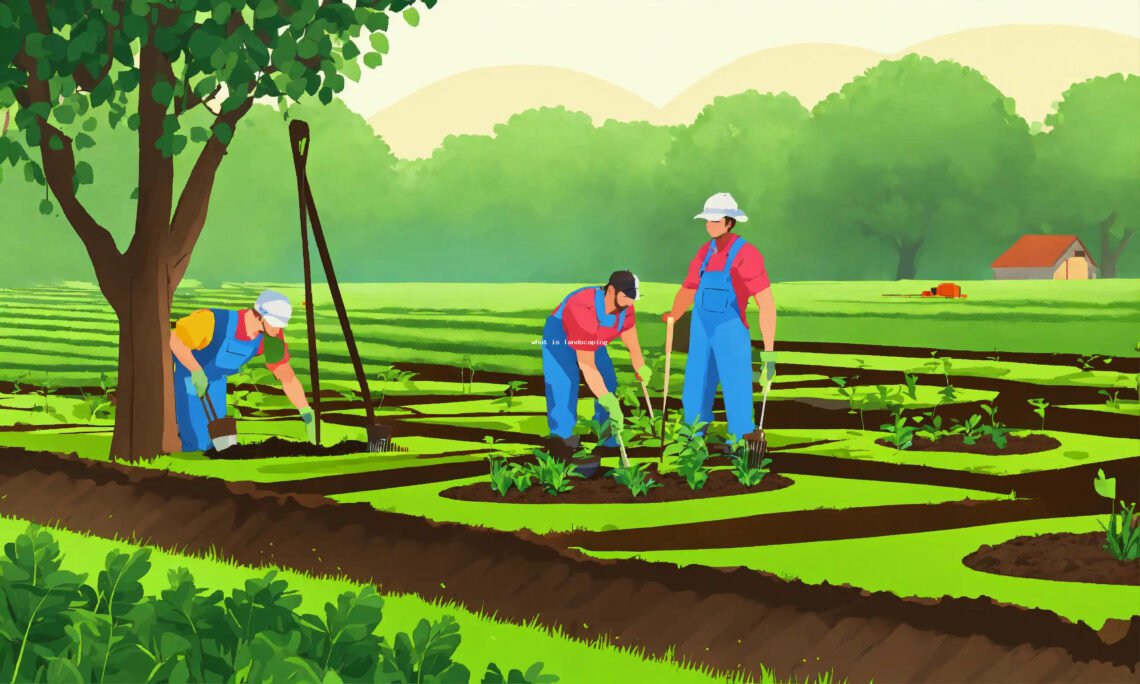
Stepping out into a beautifully designed outdoor space is an experience that transcends mere aesthetics; it’s an embrace of nature, a sanctuary for the soul, and a testament to thoughtful living. In a bustling metropolis like Bengaluru, where concrete jungles often dominate the skyline, the importance of green spaces, whether sprawling gardens or compact balcony havens, cannot be overstated. This is where the profound art and science of landscaping come into play. Landscaping is far more than just planting a few trees or laying down some grass; it’s a comprehensive approach to designing, creating, and maintaining outdoor environments that are not only visually stunning but also functionally brilliant and ecologically responsible. It involves a meticulous blend of horticulture, art, architecture, and environmental science, transforming barren plots into vibrant ecosystems, mundane backyards into personal retreats, and commercial properties into inviting, impactful statements.
The benefits of investing in professional landscaping are manifold, particularly in a city known for its “Garden City” heritage, which, regrettably, is slowly eroding. A well-landscaped property significantly enhances its curb appeal and market value, making it a wise investment for any homeowner or business. Beyond the financial gains, the psychological and physical advantages are immense. Imagine unwinding after a long day amidst lush greenery, the gentle rustle of leaves, and the vibrant colours of native flowers – it’s a natural stress reliever, promoting mental well-being and tranquility. For families, a well-designed landscape provides a safe and stimulating environment for children to play and explore, fostering a deeper connection with nature. Environmentally, landscapes play a crucial role in mitigating urban heat island effects, improving air quality by absorbing pollutants, supporting local biodiversity, and promoting water conservation through smart design choices, which is particularly vital given Bengaluru’s perennial water challenges. Furthermore, thoughtful landscaping can create microclimates, offering shade during scorching summers and shelter during monsoons, thereby reducing energy consumption for cooling homes. It’s about crafting outdoor living rooms that extend your usable space, creating areas for entertaining, relaxation, or even growing your own organic produce. From intricate hardscaping features like elegant pathways and serene water bodies to the vibrant softscaping of diverse plant palettes chosen specifically for Bengaluru’s climate, every element is intentionally curated to create a harmonious and sustainable outdoor experience.
🔥 Our Trending Gardening Picks
Defining Landscaping: More Than Just Gardening
Often, the terms “gardening” and “landscaping” are used interchangeably, but they represent distinct disciplines within the realm of outdoor space management. While gardening typically focuses on the cultivation and care of plants within a designated area, landscaping encompasses a much broader spectrum. It’s the art and science of modifying the visible features of an area of land, including living elements like flora and fauna (softscape), and non-living elements like terrain, water features, stone, and structures (hardscape). Think of it this way: gardening is a vital component *within* landscaping, much like painting is a component of interior design. Landscaping involves planning, design, and execution on a larger scale, taking into account the entire property’s ecosystem, its interaction with the built environment, and the needs and desires of its users.
The Art and Science of Outdoor Spaces
Landscaping is a fascinating blend of artistic vision and scientific understanding. The artistic component involves principles of design – balance, proportion, rhythm, emphasis, and unity – to create aesthetically pleasing and harmonious spaces. A skilled landscape designer uses these principles to arrange plants, hardscape elements, and other features in a way that guides the eye, creates focal points, and evokes specific moods or feelings. For instance, a minimalist Zen garden in Bengaluru might use clean lines, carefully placed rocks, and gravel to create a sense of calm, while a vibrant tropical garden would burst with a riot of colours and textures.
The scientific aspect, on the other hand, deals with understanding soil composition, plant physiology, hydrology, climatology, and ecology. A landscape professional must know which plants will thrive in Bengaluru’s specific soil and climate conditions, how to manage water efficiently, prevent soil erosion, and create habitats that support local wildlife. This understanding ensures the longevity and sustainability of the landscape. For example, choosing drought-tolerant native plants like *Ixora*, *Frangipani*, or *Bougainvillea* is a scientific decision based on the local climate and water availability, while arranging them in a visually appealing pattern is an artistic one. It’s about creating an outdoor environment that is not only beautiful but also resilient and functional for years to come.
Beyond Aesthetics: Functionality and Sustainability
While aesthetics are undoubtedly a significant part of landscaping, its true value lies in its functionality and sustainability. A well-designed landscape serves multiple purposes. It can provide privacy, define different zones within a property (e.g., a play area, a dining patio, a quiet reading nook), improve drainage, and even enhance security. In Bengaluru, where space is often at a premium, thoughtful landscaping can transform a small patch of land or a balcony into a highly functional extension of your living space. This might involve installing vertical gardens to maximise greenery in limited areas or designing multi-purpose seating that doubles as storage.
Sustainability is another cornerstone of modern landscaping. This involves selecting appropriate, often native, plant species that require less water and maintenance, incorporating rainwater harvesting systems, using permeable paving materials to reduce runoff, and creating composting areas. For a city like Bengaluru facing water scarcity issues, sustainable landscaping practices like xeriscaping – designing landscapes to reduce or eliminate the need for irrigation – are not just beneficial but essential. It’s about creating an outdoor space that works with nature, rather than against it, reducing environmental impact and promoting ecological balance. You can learn more about water-wise gardening techniques at https://ecorganicas.org/category/organic/.
The Core Components of Landscaping: Hardscape & Softscape
At the heart of every successful landscape design are two fundamental components: hardscape and softscape. Understanding the interplay between these elements is crucial for creating a balanced, functional, and aesthetically pleasing outdoor space. Think of hardscape as the “bones” or the structural framework of your landscape, providing definition and permanence, while softscape represents the “flesh” – the living, ever-changing elements that bring life, colour, and texture. Both are indispensable and must be carefully integrated to achieve a cohesive design.
Hardscape: The Bones of Your Landscape
Hardscape refers to all the non-living elements in a landscape design. These are the built features that provide structure, definition, and functionality. Hardscape elements are typically durable and long-lasting, forming the backbone of your outdoor space. In Bengaluru, given the varied weather conditions, selecting robust and appropriate hardscape materials is paramount. This includes materials like stone, concrete, brick, wood, metal, and gravel.
Common hardscape elements include:
- Patios and Decks: Creating outdoor living areas for relaxation, dining, and entertaining. Materials like natural stone, interlocking pavers, or durable wood are popular choices.
- Pathways and Walkways: Guiding movement through the garden, connecting different areas, and adding visual interest. Gravel, flagstone, and concrete pavers are frequently used.
- Retaining Walls: Used to manage slopes, create terraced gardens, prevent soil erosion, and define planting beds. Stone, concrete blocks, or railway sleepers are common materials.
- Pergolas and Arbors: Providing shade, supporting climbing plants, and adding architectural interest. They create vertical elements and can define outdoor rooms.
- Water Features: Ponds, fountains, waterfalls, and bird baths add sensory appeal through sight and sound, creating a tranquil atmosphere.
- Fencing and Gates: Defining boundaries, providing privacy, and enhancing security.
- Outdoor Kitchens and Fire Pits: Extending indoor amenities outdoors, perfect for entertaining.
The choice of hardscape materials significantly impacts the overall style and maintenance requirements of your landscape. For instance, using local Bengaluru granite for pathways can lend an authentic, regional touch, while engineered pavers offer versatility in patterns and colours. Careful consideration of drainage and local regulations is also essential when installing hardscape elements.
Softscape: The Living Elements
Softscape refers to the living, horticultural elements of your landscape. These are the plants that bring greenery, colour, fragrance, and life to your outdoor space. Unlike hardscape, softscape elements are dynamic; they grow, change with the seasons, and require ongoing care. The selection of softscape is critical, especially in Bengaluru’s tropical savanna climate, which experiences distinct wet and dry seasons.
Key softscape elements include:
- Trees: Providing shade, improving air quality, supporting wildlife, and adding vertical interest. Consider native species like Neem (*Azadirachta indica*), Honge (*Pongamia pinnata*), or Gulmohar (*Delonix regia*) for their resilience and ecological benefits.
- Shrubs: Used for foundational planting, creating hedges for privacy, adding structure, and providing year-round interest. Examples suitable for Bengaluru include Hibiscus, Ixora, and Acalypha.
- Perennials and Annuals: Offering seasonal colour, texture, and fragrance. Marigolds, Petunias, Salvias, and Vinca thrive here.
- Groundcovers: Suppressing weeds, preventing soil erosion, and providing a lush carpet. Mondo grass, creeping Phlox, or even low-growing Sedum can be effective.
- Lawns: Providing green carpets for recreation and aesthetic appeal. While traditional lawns are water-intensive, alternatives like Buffalo grass or even synthetic turf are gaining traction in water-conscious Bengaluru.
- Climbers and Vines: Softening hard surfaces, providing shade on pergolas, and adding vertical greenery. Bougainvillea, Jasmine, and Passionflower are popular choices.
When selecting softscape for Bengaluru, factors such as sun exposure, soil type, water availability, mature size of plants, and resistance to local pests and diseases must be carefully evaluated. A well-chosen softscape palette not only looks beautiful but also contributes to the ecological health of your garden. Learn more about choosing the right plants for your garden at https://ecorganicas.org/privacy-policy/.
Types of Landscaping: Functional, Aesthetic, and Sustainable
Landscaping isn’t a one-size-fits-all concept; it manifests in various forms, each tailored to specific purposes, scales, and client needs. From enhancing the charm of a private home to boosting the appeal of a corporate campus, and from creating aesthetically pleasing vistas to implementing environmentally responsible designs, the types of landscaping are diverse and constantly evolving. In Bengaluru, where urbanisation is rampant, these distinct approaches help cater to the unique challenges and opportunities presented by the city’s environment.
Residential Landscaping: Crafting Personal Paradises
Residential landscaping focuses on designing and creating outdoor spaces for homes. This type of landscaping is highly personal, reflecting the homeowner’s lifestyle, preferences, and aesthetic sensibilities. It aims to enhance the beauty, functionality, and value of a residential property. For a Bengaluru home, this could mean transforming a compact balcony into a vibrant container garden, creating a serene backyard retreat with native flowering plants and a small water feature, or designing a front yard that offers curb appeal while being low-maintenance and water-efficient.
Key considerations in residential landscaping often include:
- Outdoor Living Areas: Patios, decks, pergolas for entertaining, dining, or relaxation.
- Privacy: Using hedges, fences, or strategically placed trees to create secluded zones.
- Play Areas: Designing safe and engaging spaces for children.
- Kitchen Gardens/Herb Gardens: Incorporating edible plants for fresh produce.
- Curb Appeal: Enhancing the visual attractiveness of the property from the street.
- Maintenance Needs: Designing landscapes that fit the homeowner’s willingness and ability to maintain them.
The goal is to create an extension of the indoor living space, a personal sanctuary that provides comfort, beauty, and utility.
Commercial Landscaping: Enhancing Business Appeal
Commercial landscaping pertains to the design and maintenance of outdoor spaces for businesses, corporate campuses, public parks, hotels, and other non-residential properties. Unlike residential landscaping, the focus here is often on creating a professional, welcoming, and aesthetically pleasing environment that aligns with the brand image and serves a larger public or employee base. In Bengaluru, a well-landscaped commercial property can significantly impact client perception, employee morale, and even local ecological health.
Commercial landscapes typically feature:
- Grand Entrances: Creating impactful first impressions with impressive plantings and hardscape.
- Public Seating Areas: Providing comfortable spaces for employees or visitors to relax.
- Walkways and Pathways: Ensuring safe and intuitive navigation around the property.
- Parking Lot Landscaping: Incorporating trees and plants to provide shade, reduce heat, and improve aesthetics.
- Stormwater Management: Designing rain gardens or bioswales to manage runoff efficiently.
- Low Maintenance and Durability: Selecting plants and materials that can withstand high traffic and require minimal upkeep.
Commercial landscaping often requires a more robust design, considering factors like traffic flow, safety regulations, public accessibility, and long-term maintenance costs.
Sustainable and Eco-friendly Landscaping: Bengaluru’s Green Future
Sustainable landscaping, also known as eco-friendly or green landscaping, is an approach that prioritises environmental health, resource conservation, and ecological balance. This type of landscaping is particularly vital for Bengaluru, a city grappling with rapid urbanisation, dwindling green cover, and water scarcity. The principles of sustainable landscaping aim to minimise the environmental footprint of outdoor spaces while maximising their ecological benefits.
Key elements of sustainable landscaping include:
- Native Plant Selection: Using plants indigenous to the Bengaluru region, which are adapted to the local climate, soil, and rainfall patterns, thus requiring less water, fertiliser, and pesticides.
- Water Conservation (Xeriscaping): Implementing techniques to reduce water usage, such as drought-tolerant plants, efficient irrigation systems (drip irrigation), and rainwater harvesting.
- Soil Health: Improving soil structure and fertility through composting, mulching, and avoiding chemical fertilisers.
- Biodiversity Promotion: Creating habitats and food sources for local wildlife, including birds, bees, and butterflies, which are crucial for pollination.
- Permeable Surfaces: Using materials like gravel, permeable pavers, or decomposed granite for pathways and driveways to allow rainwater to infiltrate the ground, replenishing groundwater.
- Waste Reduction: Composting yard waste and using recycled or locally sourced materials for hardscape elements.
Sustainable landscaping is not just a trend but a necessity, offering a path towards creating beautiful outdoor spaces that are harmonious with the environment and contribute positively to the city’s ecological resilience. You can find more information on ecological gardening practices at https://ecorganicas.com/gardening/.
The Landscaping Process: From Vision to Reality
Embarking on a landscaping project, whether it’s a complete overhaul of a sprawling garden or a subtle enhancement of a small patio, is a journey that typically follows a structured process. This methodical approach ensures that the final outcome aligns with the client’s vision, addresses site-specific challenges, and results in a functional, beautiful, and sustainable outdoor space. For homeowners and businesses in Bengaluru, understanding this process can demystify what might seem like a complex undertaking.
Initial Consultation and Site Analysis
The first and arguably most crucial step is the initial consultation. This is where you, the client, articulate your dreams, needs, and budget to a professional landscape designer or contractor. What do you envision for your space? Do you need an area for entertaining, a tranquil retreat, a play zone for children, or perhaps a kitchen garden? The designer will listen intently, gathering information about your lifestyle, aesthetic preferences, and how you intend to use the outdoor area.
Following this discussion, a thorough site analysis is conducted. This involves a detailed examination of the property, taking into account:
- Existing Conditions: Current plants, structures, soil type, and drainage patterns.
- Sunlight Exposure: Mapping how sunlight falls on different parts of the property throughout the day and seasons.
- Slope and Topography: Identifying any gradients or elevation changes that might require grading or retaining walls.
- Views: Identifying desirable views to frame and undesirable views to screen.
- Utilities: Locating existing utility lines (water, electricity, gas) to avoid damage during construction.
- Local Climate: Specific microclimates within the property and general Bengaluru weather patterns.
This comprehensive analysis forms the bedrock for a design that is both practical and tailored to the unique characteristics of your site.
Design and Planning
With the information gathered during the consultation and site analysis, the designer moves to the design and planning phase. This is where ideas begin to take tangible form.
- Conceptual Design: The designer creates initial sketches or basic layouts, often presenting multiple options. These concepts illustrate the overall flow, placement of key elements, and general aesthetic. Feedback from the client is vital here to refine the direction.
- Master Plan: Once a concept is approved, a detailed master plan is developed. This technical drawing includes precise measurements, material specifications for hardscape elements (e.g., type of pavers, stone), and a comprehensive planting plan (specific plant species, quantities, and locations). This plan also incorporates irrigation systems, lighting, and any other specific features.
- Budget and Timeline: Concurrently, a detailed estimate of costs and a project timeline are prepared, ensuring transparency and managing expectations.
This phase is an iterative process, involving collaboration between the client and the designer to ensure the final plan perfectly encapsulates the vision within practical and budgetary constraints.
Implementation and Installation
Once the design is finalised and approved, the exciting phase of implementation begins. This is where the paper plans transform into a living, breathing landscape. This stage can involve various specialists and often proceeds in distinct steps:
- Site Preparation: Clearing existing vegetation, grading the land to achieve desired contours and ensure proper drainage, and preparing soil for planting.
- Hardscape Installation: Building patios, pathways, retaining walls, pergolas, and installing water features. This often involves skilled masons, carpenters, and electricians.
- Irrigation and Lighting: Installing efficient irrigation systems (e.g., drip lines for water conservation) and outdoor lighting to enhance aesthetics and safety during evenings.
- Softscape Installation: Planting trees, shrubs, perennials, and laying lawns according to the planting plan. This requires horticultural expertise to ensure proper planting techniques.
- Finishing Touches: Adding mulch, decorative gravel, garden furniture, and other accessories to complete the look.
Throughout this phase, regular supervision and quality checks are essential to ensure the design is executed precisely and to the highest standards.
Maintenance and Evolution
A landscape is a living entity, and its beauty and health are sustained through ongoing maintenance. While some designs aim for low maintenance, no landscape is entirely self-sufficient. Post-installation, a maintenance plan is crucial. This includes:
- Watering: Regular and appropriate watering, especially for newly planted softscape.
- Pruning and Trimming: Shaping plants, removing dead or diseased branches, and maintaining plant health.
- Weeding: Controlling unwanted plant growth that competes for resources.
- Pest and Disease Management: Monitoring and addressing any issues to keep plants healthy.
- Fertilisation: Providing nutrients to plants as needed.
- Hardscape Care: Cleaning patios, pathways, and checking water features.
Over time, landscapes evolve. Plants grow, seasons change, and your needs might shift. A good landscape design anticipates this evolution and can be adapted or enhanced over the years. Many landscape professionals offer maintenance services or provide detailed guides to help you care for your new outdoor space. For tips on garden maintenance, see https://ecorganicas.org/shop/.
Benefits of Professional Landscaping in Bengaluru
In a city like Bengaluru, where every square foot of green space is precious, the decision to invest in professional landscaping brings a myriad of benefits that extend far beyond mere aesthetics. From boosting property values to fostering ecological balance and enhancing personal well-being, a well-conceived and executed landscape design can transform your living or working environment into a thriving oasis. Engaging expert landscapers ensures that these benefits are maximised, tailored specifically to the unique climate and challenges of the Garden City.
Increased Property Value
One of the most tangible benefits of professional landscaping is its significant impact on property value. A beautifully designed and well-maintained landscape can increase a home’s market value by 15-20% or even more, making it a sound investment. For commercial properties, an appealing exterior creates a positive first impression, attracting customers and clients, and potentially increasing rental or sales value. In Bengaluru’s competitive real estate market, a distinctive landscape can be a key differentiator, making your property stand out. Potential buyers or tenants are often willing to pay a premium for a property that offers immediate outdoor enjoyment and requires less initial effort to establish.
Enhanced Aesthetic Appeal and Curb Appeal
Professional landscaping dramatically enhances the visual appeal of any property. Expert designers understand principles of colour, texture, form, and scale, using them to create harmonious and captivating outdoor spaces. For residential properties, this translates into an inviting façade that welcomes guests and creates a sense of pride for homeowners. For businesses, it projects an image of professionalism, care, and attention to detail. In a bustling urban environment, a lush, well-designed landscape provides a much-needed visual respite, softening hard architectural lines and integrating the built structure with nature. The strategic placement of flowering plants, elegant pathways, and calming water features can turn an ordinary space into an extraordinary one.
Environmental Benefits (Cooling, Air Quality, Biodiversity)
The ecological advantages of professional landscaping are profound, especially in an urban heat island like Bengaluru.
- Urban Cooling: Trees and plants provide natural shade, reducing ambient temperatures and lowering the need for air conditioning indoors. Through evapotranspiration, plants release water vapour, further cooling the surrounding environment.
- Improved Air Quality: Plants act as natural air filters, absorbing pollutants like carbon dioxide, nitrogen oxides, and particulate matter, and releasing oxygen. A well-landscaped area contributes to cleaner, fresher air.
- Biodiversity Support: Thoughtful plant selection, particularly native species, creates habitats and food sources for local birds, insects (especially pollinators like bees and butterflies), and small animals, helping to preserve urban biodiversity which is often threatened.
- Stormwater Management: Landscapes can be designed to absorb rainwater, reducing runoff, preventing soil erosion, and recharging groundwater levels – a critical benefit for Bengaluru’s water security. Rain gardens and permeable surfaces are key tools here.
These environmental contributions make landscapes vital green infrastructure within the city. You can read more about the environmental impact of urban green spaces at https://ecorganicas.com/gardening/.
Improved Lifestyle and Well-being
A professionally landscaped garden is more than just a pretty sight; it’s an extension of your living space that significantly enhances lifestyle and well-being.
- Stress Reduction: Studies consistently show that exposure to green spaces reduces stress, lowers blood pressure, and improves mood. A personal garden provides a convenient sanctuary for relaxation and rejuvenation.
- Recreational Opportunities: Designed spaces for outdoor dining, entertaining, children’s play, or quiet contemplation encourage more outdoor activity and social interaction.
- Connection to Nature: For urban dwellers, a garden offers a vital connection to the natural world, fostering a sense of peace and grounding. This connection is particularly important for mental health.
- Privacy and Comfort: Strategic planting can create secluded areas, offering privacy from neighbours and buffering urban noise, transforming your outdoor space into a true personal retreat.
In essence, professional landscaping creates healthier, happier living environments.
Water Conservation and Smart Choices for Bengaluru
Given Bengaluru’s persistent water challenges, professional landscapers are increasingly crucial in designing water-wise gardens. They implement strategies such as:
- Xeriscaping: Utilising drought-tolerant and native plants that thrive with minimal supplemental irrigation.
- Efficient Irrigation: Installing drip irrigation systems or smart controllers that deliver water precisely where and when needed, reducing waste.
- Rainwater Harvesting: Integrating systems to collect and store rainwater for irrigation, reducing reliance on municipal water supplies.
- Mulching: Applying organic mulches to planting beds to retain soil moisture, suppress weeds, and regulate soil temperature.
- Soil Improvement: Enhancing soil with organic matter to improve its water-holding capacity.
These practices not only conserve a precious resource but also result in lower water bills and a more sustainable garden that is resilient to local climate conditions.
Comparison of Popular Hardscape Materials for Bengaluru Gardens
Choosing the right hardscape materials is crucial for the longevity, aesthetics, and functionality of your landscape, especially in Bengaluru’s climate. Here’s a comparison of some popular options:
| Material | Pros | Cons | Typical Use | Maintenance |
|---|---|---|---|---|
| Natural Stone (e.g., Granite, Sandstone) | Extremely durable, timeless aesthetic, wide variety of colours/textures, excellent heat retention/dissipation. | Higher initial cost, installation can be labour-intensive, can be slippery when wet, some types absorb heat. | Patios, pathways, retaining walls, decorative elements. | Low; occasional cleaning, sealing may be needed for some types. |
| Interlocking Pavers (Concrete) | Durable, wide range of colours/patterns/shapes, easy to repair individual units, good drainage if properly installed. | Can be prone to weed growth between joints, requires a stable base, can fade over time. | Patios, driveways, walkways, pool decks. | Moderate; occasional weeding, cleaning, re-sanding joints. |
| Gravel / Crushed Stone | Cost-effective, excellent drainage, permeable surface, easy DIY installation, natural look. | Can shift and spread, uncomfortable for bare feet, weeds can grow through, needs regular replenishment. | Pathways, informal patios, drainage areas, groundcover. | Moderate; regular raking, weeding, topping up. |
| Wood Decking (e.g., Teak, Composite) | Warm and inviting aesthetic, comfortable underfoot, relatively quick installation. | Requires regular sealing/staining (natural wood), can splinter/rot (natural wood), composite can be hot. | Decks, elevated seating areas, pergolas. | High for natural wood (cleaning, sealing); Low for composite (cleaning). |
| Exposed Aggregate Concrete | Durable, slip-resistant, customisable with various aggregate types, lower cost than natural stone. | Limited colour palette compared to pavers, can be difficult to repair seamlessly, permanent. | Patios, driveways, large pathways. | Low; occasional cleaning, sealing. |
Expert Tips for Your Bengaluru Landscaping Project
As seasoned gardeners and landscape enthusiasts in Bengaluru, we’ve gathered some invaluable tips to help you create and maintain a stunning and sustainable outdoor space:
- Embrace Native Plants: Prioritise native Bengaluru flora like Neem, Honge, Gulmohar, and a variety of local shrubs and flowering plants. They are inherently adapted to the climate, require less water, are more resistant to local pests, and support regional biodiversity.
- Water-Wise Design is Key: With Bengaluru’s water challenges, integrate xeriscaping principles. Group plants with similar water needs, install drip irrigation, use generous layers of mulch, and consider rainwater harvesting systems.
- Understand Your Microclimate: Even within a small garden, sun exposure, wind patterns, and drainage can vary. Observe your space carefully before planting to ensure plants thrive where they are placed.
- Prioritise Soil Health: Bengaluru’s soil can be challenging. Amend your soil with plenty of organic compost and manure to improve drainage, water retention, and nutrient availability. Healthy soil equals healthy plants.
- Plan for All Seasons: Design your landscape to offer interest throughout the year. Include plants that bloom in different seasons, evergreen shrubs, and structural hardscape elements.
- Integrate Hardscape Thoughtfully: Choose hardscape materials that complement your home’s architecture and the local aesthetic. Ensure pathways are functional and safe, and patios are sized appropriately for your intended use.
- Consider Vertical Gardening: For small spaces or balconies common in Bengaluru apartments, vertical gardens or living walls are excellent ways to maximise greenery and create a lush feel without taking up floor space.
- Think About Lighting: Outdoor lighting extends the usability of your garden into the evening, highlights key features, and adds a layer of safety and ambiance.
- Budget for Maintenance: A landscape is a living investment. Factor in ongoing maintenance costs, whether you plan to do it yourself or hire professional help. Regular care is crucial for longevity and beauty.
- Seek Professional Advice: Don’t hesitate to consult with local landscape designers or horticulturists. Their expertise in Bengaluru-specific conditions can save you time, money, and potential headaches in the long run. https://ecorganicas.com/gardening-quiz-challenge/ is a great resource for connecting with gardening professionals.
Frequently Asked Questions (FAQ) About Landscaping
What is the primary difference between gardening and landscaping?
While often used interchangeably, gardening is typically focused on the cultivation and care of plants within a specific area, often for aesthetic pleasure or food production. Landscaping, on the other hand, is a much broader discipline that involves the holistic design, planning, and modification of an entire outdoor space, incorporating both living elements (softscape like plants) and non-living elements (hardscape like patios, pathways, and structures). Landscaping is about creating a functional and aesthetically pleasing outdoor environment as a whole, while gardening is a component within that larger framework.
How much does landscaping cost in Bengaluru?
The cost of landscaping in Bengaluru can vary dramatically based on several factors, including the size of your property, the complexity of the design, the types of materials chosen (e.g., natural stone vs. concrete pavers), the selection of plants (native vs. exotic, mature vs. young), and the extent of hardscaping involved. A basic softscape project might start from a few thousand rupees, while a comprehensive design with extensive hardscaping, water features, and lighting for a larger property could run into several lakhs. It’s best to get a detailed quote from a professional landscape designer after an initial site assessment and discussion of your specific requirements and budget.
Can I do my own landscaping, or should I hire a professional?
For small, simple projects like planting a few flower beds or adding some potted plants, DIY landscaping is certainly feasible and rewarding. However, for larger projects involving significant design elements, hardscaping, grading, irrigation systems, or extensive plant selection, hiring a professional landscape designer
Discover more from Ecorganicas
Subscribe to get the latest posts sent to your email.