Introduction to Gardening Snakes
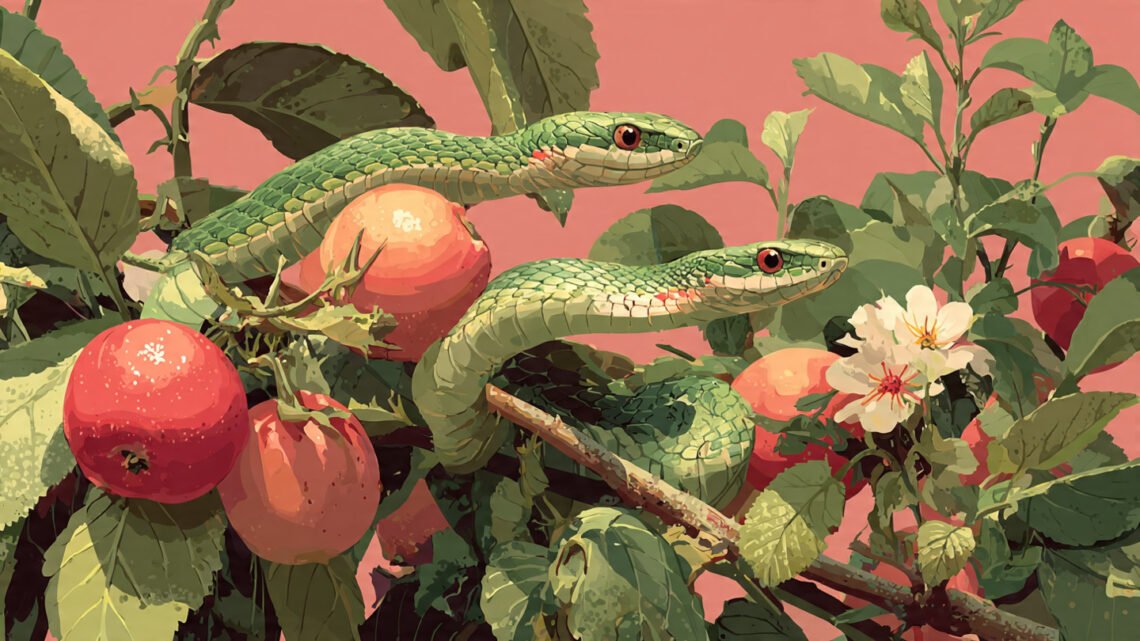
Gardening snakes play a significant role within the ecosystems of gardens, often serving as critical components of pest control and soil health. These reptiles, which include several common species, are found in various environments where they contribute to a balanced ecosystem. Among the prevalent species are gopher snakes, garter snakes, and rat snakes, each offering unique benefits to garden habitats.
First and foremost, gardening snakes contribute remarkably to pest management. They have a natural predilection for consuming a variety of garden pests, including rodents and insects that can cause substantial damage to crops and plants. By preying on these pests, snakes reduce the need for chemical pesticides, promoting a more natural and environmentally friendly approach to gardening. This behavior not only helps in preserving the integrity of the garden’s flora but also fosters a healthier ecosystem.
In addition to pest control, gardening snakes are vital for soil health. Their movement through the soil aids in aeration, which is essential for root development and overall plant vitality. Furthermore, their presence can indicate a balanced ecosystem, as these reptiles are often found in healthy environments rich in biodiversity. This balance is crucial for sustainable gardening practices, creating a harmonious relationship between various organisms that inhabit the garden.
In summary, gardening snakes are much more than mere inhabitants of the garden; they are essential allies that contribute to pest control and soil enhancement. Understanding their role helps gardeners appreciate the complexity of garden ecology, affirming the necessity of these reptiles in maintaining a thriving natural environment.
🔥 Our Trending Gardening Picks
Common Types of Gardening Snakes
Gardening snakes play a vital role in maintaining ecological balance in residential and natural environments. Among the various species commonly encountered in gardens, three notable types include garter snakes, brown snakes, and rat snakes. Each of these species has distinct characteristics that make them uniquely suited to garden habitats.
The garter snake is easily recognizable with its long, slender body and distinctive stripes running along its length. Typically found in a range of habitats, garter snakes prefer moist areas and are adept at seeking shelter under rocks or foliage. They are non-venomous and primarily feed on small amphibians, worms, and insects, contributing to pest control in gardens. Their docile nature often makes them harmless to human gardeners.
In contrast, brown snakes exhibit a generally muted coloration that allows them to blend seamlessly into the garden environment. These snakes are often small to medium in size and are typically found in areas with ample ground cover, where they hunt for slugs and other small invertebrates. Brown snakes are known for their reclusive behavior, preferring to escape rather than confront potential threats. Their presence in a garden can significantly reduce pest populations, especially during the growing season.
Another common species is the rat snake. This species is recognized for its robust body and calm demeanor. Rat snakes are excellent climbers and are often found in trees and shrubs, where they can search for birds and small mammals. Their ability to adapt to various environments makes them a frequent visitor to gardens. Although they can grow larger than most garden snakes, they are non-venomous and primarily seek to avoid human interaction, making them valuable allies in maintaining the balance of the ecosystem.
Benefits of Having Snakes in Your Garden
Incorporating gardening snakes into your outdoor environment can be highly beneficial for maintaining a balanced ecosystem. These reptiles serve as natural predators, primarily targeting populations of rodents and other small pests that may threaten garden health. By keeping the rodent population in check, snakes help reduce the risk of damage to crops and ornamental plants, ensuring a thriving and productive garden.
Gardening snakes are also crucial for preserving biodiversity. They contribute to the balance of the ecosystem by controlling not only rodents but also various insect populations. This natural pest control method decreases the need for chemical pesticides, which can be harmful to the environment. The presence of these reptiles enhances the health of the garden, allowing other beneficial species, such as pollinators and earthworms, to flourish.
Furthermore, the activity of snakes contributes to soil health. As they hunt and consume their prey, they help to aerate the soil and recycle nutrients back into the ecosystem. This dynamic interaction between snakes and their prey facilitates a healthier and more fertile environment for plants to grow. Studies have indicated that gardens with a diversity of wildlife, including snakes, tend to show improved soil quality, leading to enhanced plant growth and resilience.
Overall, having gardening snakes in your garden is an asset that not only aids in pest control but also promotes ecological balance and enhances soil health. Their presence is indicative of a flourishing ecosystem, making the garden a more sustainable and productive space for both plants and wildlife.
Identifying Non-Venomous vs. Venomous Snakes
Gardening is often complemented by the presence of various snakes, some of which can be invaluable for pest control. However, distinguishing between non-venomous and venomous snakes is critical for ensuring safety in the garden. To effectively identify these reptiles, one should focus on certain key characteristics and behavioral patterns.
One of the most reliable methods to differentiate between non-venomous and venomous snakes is by examining their physical traits. Venomous snakes often possess triangular-shaped heads and elliptical pupils, which contrast with the round pupils of non-venomous varieties. Furthermore, the presence of heat-sensing pits, commonly found in certain venomous species like rattlesnakes, is a key feature. Alternatively, non-venomous snakes, such as garter snakes or rat snakes, will typically present smooth, rounded heads and a smaller body diameter compared to their venomous counterparts.
Behavioral aspects also play a crucial role in identification. Venomous snakes tend to exhibit more aggressive behavior when threatened, whereas non-venomous snakes are likely to retreat or rely on camouflage. Additionally, many venomous snakes produce distinctive sounds; for instance, the rattlesnake’s rattle serves as a warning signal. On the other hand, non-venomous snakes might hiss or mimic a rattle to deter predators without being venomous themselves.
For gardeners, staying safe during encounters with snakes is paramount. If you come across a snake, maintaining a safe distance is key. Most snakes will not attack unless provoked, so observing from afar and allowing the snake to leave the area is advisable. Remember, becoming familiar with local snake species and their specific characteristics can enhance your gardening experience, allowing you to appreciate the benefits that these reptiles can provide while avoiding risks. By implementing these identification strategies, you can confidently coexist with both non-venomous and venomous snakes in your gardening pursuits.
Best Practices for Encouraging Gardening Snakes
Creating a snake-friendly environment is beneficial not only for the reptiles themselves but also for gardeners who strive for an ecosystem balance. Gardening snakes, as they contribute to pest control, can greatly reduce the need for chemical interventions in a garden. To encourage their presence, gardeners can implement several best practices aimed at establishing a conducive habitat.
First and foremost, embracing the natural landscape and incorporating a variety of native plants is essential. Native plants provide appropriate shelter and food sources for gardening snakes and other beneficial wildlife. Consider planting low-growing shrubs, grasses, and flowering plants that attract insects and other small creatures. This natural food chain supports both the snakes and the overall biodiversity of the garden.
Additionally, gardeners should avoid the use of pesticides and chemical herbicides as these substances can harm not only the gardening snakes but also beneficial insects and other non-target wildlife. The focus should shift to organic gardening practices that promote pest management through natural means. Techniques such as crop rotation, companion planting, and encouraging natural predators can diminish pest populations without adversely impacting the local snake population.
Creating a diverse garden with varied layers and structures, including rock piles, log piles, and dense shrubbery, can provide the appropriate shelter snakes need to thrive. These microhabitats help gardening snakes find safe places to hide from predators and seek out warmth during colder months. Moreover, providing a water source, such as a small pond or even a birdbath, can further encourage these reptiles to inhabit your garden.
In conclusion, by adopting these practices, gardeners can foster an environment that not only supports gardening snakes but enhances the overall health and productivity of the garden. When snakes find their niche in the garden, they serve as valuable allies in maintaining the ecological balance and can significantly contribute to successful gardening efforts.
Debunking Myths About Snakes in Gardens
Snakes are often misunderstood creatures, and their presence in gardens can trigger fear and anxiety among many homeowners. One of the most pervasive myths is that all snakes are aggressive and pose a threat to humans. In reality, most snakes are non-venomous and will avoid confrontation if given the chance. They play an essential role in maintaining the balance of the ecosystem by controlling the populations of rodents and pests that can damage gardens.
Another common misconception is that gardening snakes are dangerous to pets and children. While it is true that some species can deliver a venomous bite, such instances are relatively rare and often exaggerated in media portrayals. In fact, many snakes in gardens are species that are harmless to humans and pets. By educating ourselves about local snake species, we can better understand that they are largely beneficial and non-threatening.
Additionally, some individuals believe that snakes in gardens indicate poor hygiene or neglect. This is not the case. Snakes often inhabit gardens that provide them with ample shelter and food sources. A well-maintained garden with minimal clutter can actually discourage snakes from taking up residence, as they prefer places to hide and hunt that offer protection, such as tall grass or piles of wood. Furthermore, rather than a sign of poor maintenance, the presence of gardening snakes can indicate a healthy garden ecosystem, as these reptiles help keep pest populations in check.
It is crucial to approach the subject of snakes with an open mind and dispel common myths about them. Understanding the ecological benefits and behavioral patterns of gardening snakes can transform fear into appreciation, ultimately fostering a more harmonious relationship between humans and these remarkable creatures.
Safety Tips for Working Around Snakes
Gardening can be a rewarding and therapeutic activity, but it often requires caution, especially when it comes to encountering gardening snakes or their wild counterparts. To minimize risks while enjoying your gardening experience, consider the following safety tips.
First and foremost, familiarize yourself with the types of snakes native to your area. Understanding which species are harmless and which could pose a threat will equip you with essential knowledge to handle a potential encounter wisely. Resources such as local wildlife agencies are valuable for learning about the snakes that inhabit your region.
When working in your garden, wear appropriate clothing. Sturdy boots and long pants enhance protection against bites during an unexpected interaction with a snake. Additionally, consider wearing gloves, as they can protect your hands when handling tools or digging in areas where these reptiles may hide.
While working, make noise. Often, snakes will retreat if they sense human presence. Speaking softly or tapping your gardening tools on nearby surfaces can alert any nearby snake and prompt it to move away.
Furthermore, it’s essential to maintain a tidy garden. Regularly clear away debris like tall grass, piles of leaves, and thick underbrush, where snakes like to hide. This not only minimizes hiding spots for these reptiles but also improves visibility in your garden.
If you do encounter a snake, avoid panicking. Most snakes prefer to avoid human interaction and will retreat if given space. Back away slowly and allow the snake to move away unfazed. Getting too close or attempting to capture or provoke a snake can lead to unpredictable behaviors and increase the risk of a bite.
In conclusion, by understanding your local snake population, dressing appropriately, making noise, maintaining a clean garden, and responding calmly to encounters, you can cultivate a safer gardening environment. Remember, with respect and caution, gardening snakes can coexist with us, offering benefits to the ecosystem.
Conservation and the Future of Snakes in Gardening
The conservation status of snakes is becoming increasingly critical, particularly in the context of gardening and ecological balance. Many species of gardening snakes have witnessed a decline in their populations due to habitat destruction, climate change, and human encroachment. As these reptiles play a vital role in controlling pests and maintaining the health of our gardens, their diminishing numbers could have detrimental effects on local ecosystems.
Efforts to conserve these reptiles are essential, as they contribute significantly to biodiversity. Snakes are more than just residents of garden environments; they are pivotal in the food chain, preying on rodents and various insects that can adversely affect plants. The reduction of gardening snakes could lead to an uptick in pest populations, which can cause gardeners to rely more heavily on chemical pesticides, further harming the environment.
Preserving the habitats of gardening snakes should be a key focus for conservationists and the gardening community alike. This can involve creating environments that support snake populations, such as maintaining native vegetation and reducing habitat fragmentation. Furthermore, educating the public about the benefits of snakes in gardening can foster coexistence. Understanding that these reptiles are harmless and vital for ecological balance will help reduce the stigma surrounding them.
Conservation initiatives must address the decline of gardening snakes through habitat preservation, public awareness, and research. By fostering a harmonious relationship between humans and these reptiles, we can ensure that their populations stabilize, promoting healthier gardens and richer ecosystems. As we move forward, prioritizing the protection and understanding of gardening snakes will be crucial for sustaining biodiversity and enhancing our gardening practices.
Conclusion and Final Thoughts
Throughout this discussion, we have delved into the role of gardening snakes within our ecosystems. These reptiles, often misunderstood, play a pivotal part in maintaining a balanced garden environment. By acting as both predators and scavengers, gardening snakes help control populations of pests that can harm plants, contributing to a healthier, more vibrant landscape.
It is important to appreciate that not all snakes are harmful. Many species are non-venomous and beneficial, working tirelessly to consume rodents and insects that pose risks to our gardens. Embracing the presence of these reptiles can often lead to a reduction in the need for chemical pesticides, promoting a more organic approach to gardening.
Engaging with the natural habits of gardening snakes can also pose benefits beyond mere pest control. Their behavior encourages biodiversity, which is essential for a thriving garden ecosystem. Gardeners should feel empowered to identify and coexist with these reptiles, understanding their significance in the larger context of biological control.
In light of these factors, it becomes evident that embracing gardening snakes can enhance the gardening experience while fostering an appreciation for nature’s complexities. Through education and observation, we can learn to respect and welcome these reptiles into our green spaces, thus harnessing their potential as allies in our gardening endeavors. Let us approach our gardens with a mindset of harmony, recognizing the valuable contributions of all its inhabitants, including gardening snakes.
Discover more from Ecorganicas
Subscribe to get the latest posts sent to your email.