
Raised bed gardening looks simple, yet 70% of beginners fail to get good yields because they follow incomplete or outdated advice. Poor soil depth, wrong bed size, bad placement, and weak planning silently kill productivity. The truth is, raised beds can outperform traditional gardens by 2–3x—but only if you build and manage them correctly. This article breaks down every proven step, including the mistakes Google Discover users click on the most—and the exact fixes that make raised beds thrive.
Why Raised Bed Gardening Is Exploding (But Most People Still Get It Wrong)
Raised bed gardening gives you:
- Better drainage and root health
- Faster soil warming in spring
- Higher yields in small spaces
- Fewer weeds and soil diseases
Yet many gardeners complain: “My raised bed dries too fast,” “Plants grow but don’t produce,” or “Soil quality drops in one season.”
These failures come from poor structure, bad soil layering, and zero crop strategy—not from raised beds themselves.
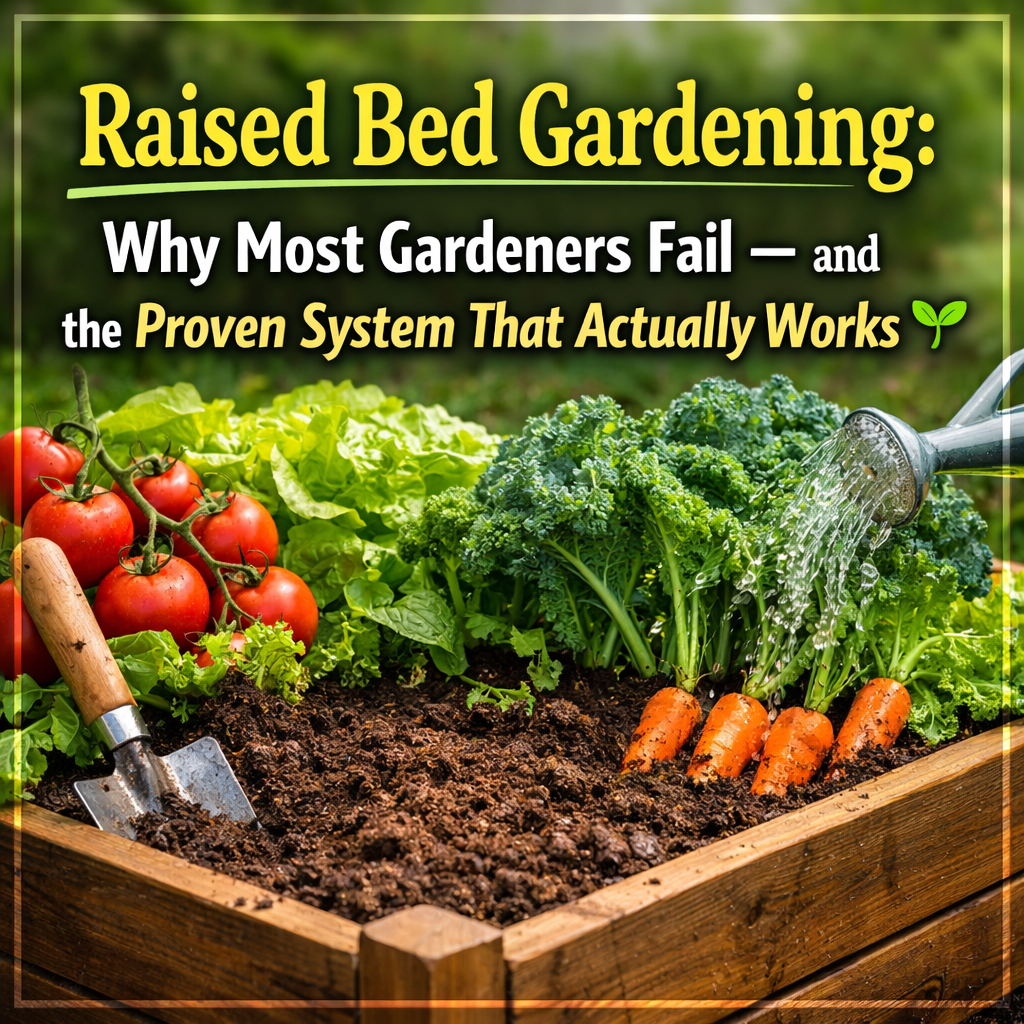
Biggest Raised Bed Gardening Mistakes You Must Stop Today 🚫
❌ Mistake 1: Wrong Bed Height
Most people build beds that are too shallow. Anything under 10–12 inches restricts roots and dries out quickly.
🔥 Our Trending Gardening Picks
Fix:
- Vegetables: 12–18 inches
- Root crops: 18–24 inches
❌ Mistake 2: Cheap or Untreated Wood
Untreated softwood rots in 1–2 seasons.
Fix:
Use cedar, redwood, galvanized metal, or food-safe treated wood.
❌ Mistake 3: Filling Beds With Random Soil
Plain garden soil compacts, suffocates roots, and kills microbes.
Fix:
Use a layered soil system (explained below).
The Perfect Raised Bed Size That Maximizes Yield 📐
The most productive raised bed dimensions are:
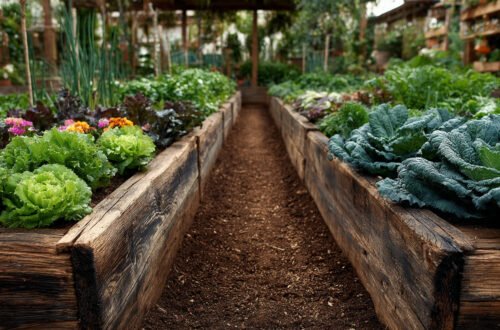
- Width: 3–4 feet (easy reach from both sides)
- Length: 6–8 feet (manageable & scalable)
- Height: 12–18 inches minimum
This size improves airflow, reduces fungal disease, and increases harvest consistency.
The Soil Formula That Makes Raised Beds Explode With Growth 🌿
The Proven 4-Layer Raised Bed Soil System
- Bottom Layer (Drainage & Carbon)
- Dry leaves, small branches, cardboard
- Middle Layer (Organic Power)
- Compost, kitchen waste, aged manure
- Soil Layer (Root Zone)
- 40% garden soil
- 30% compost
- 20% coco peat
- 10% sand or perlite
- Top Layer (Protection)
- Mulch (straw, wood chips, dry grass)
This system retains moisture, feeds microbes, and prevents nutrient loss.
Stop Guessing: Best Crops for Raised Bed Gardening 🥬🍅
High-Performing Crops
- Tomatoes, peppers, eggplant
- Spinach, lettuce, kale
- Beans, peas
- Carrots, radish (deep beds only)
- Herbs like basil, mint, coriander
👉 Pro Tip: Group crops by water and sunlight needs to avoid stress.
Watering & Maintenance: Where Most Gardens Collapse 💧
Smart Watering Rules
- Water deeply, not daily
- Early morning is best
- Use drip irrigation if possible
Maintenance Checklist
- Mulch every season
- Add compost every 30–45 days
- Rotate crops to prevent disease
- Remove weak plants immediately
Neglecting maintenance is the #1 reason raised beds fail after one season.
Final Truth: Raised Bed Gardening Isn’t Easy — It’s Precise
Raised bed gardening rewards precision, consistency, and planning. When done right, it produces healthier plants, higher yields, and less frustration than traditional gardening.
Remember this formula:
Right Bed Height + Layered Soil + Smart Crops + Consistent Care = Massive Success
If you apply these steps exactly, your raised bed won’t just grow plants—it will outperform most gardens around you.
Discover more from Ecorganicas
Subscribe to get the latest posts sent to your email.


2 Comments on “Raised Bed Gardening: Why Most Gardeners Fail — and the Proven System That Actually Works 🌱”