
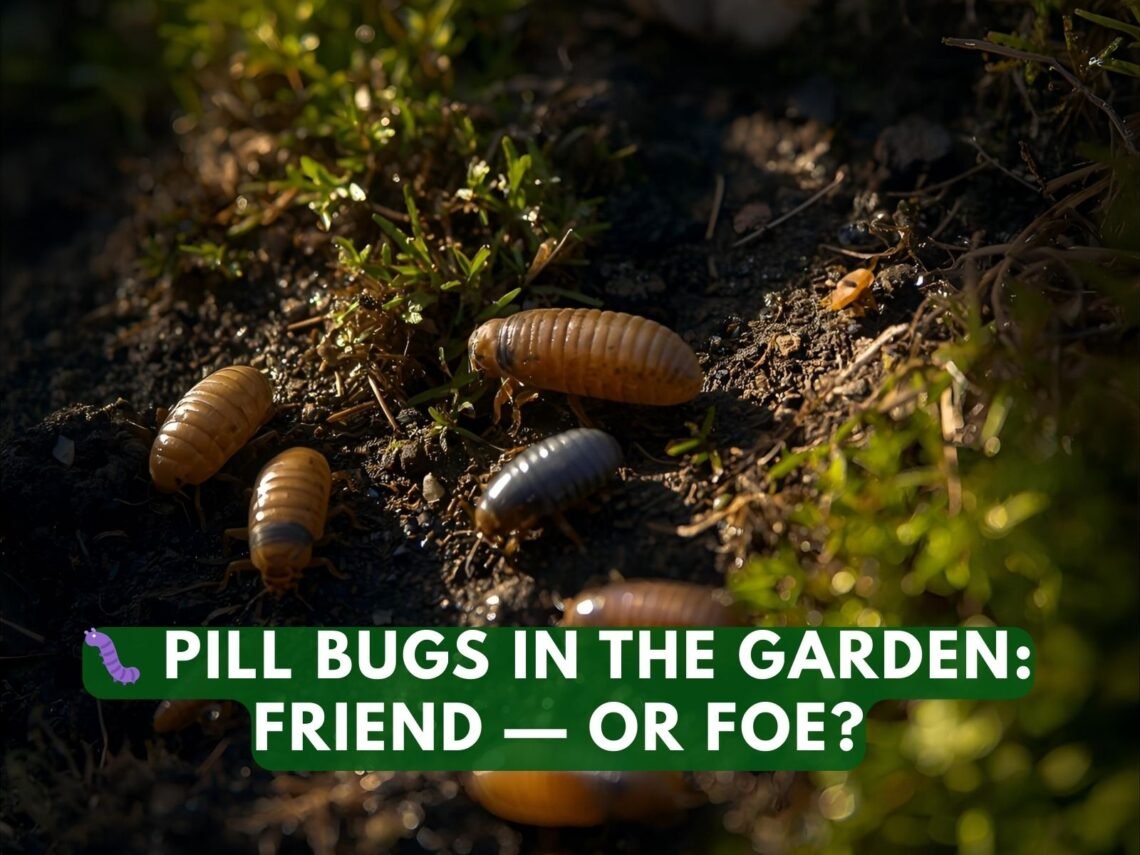
Pill Bugs in the Garden: Friend or Foe? (And How to Control Them Naturally)
Pill bugs—also known as roly-polies, sow bugs, or woodlice—are common garden visitors. Some gardeners consider them harmless decomposers, while others blame them for destroyed seedlings and chewed fruits.
So which is it?
In this guide, you’ll learn when pill bugs help your garden, when they become a problem, and proven organic ways to control pill bugs naturally—without harming beneficial insects or soil health.
What Are Pill Bugs?
Pill bugs are land-dwelling crustaceans, not insects. They breathe through gills, which is why they thrive in moist, dark environments like mulch, compost, and damp soil.
🔥 Our Trending Gardening Picks
Common characteristics:
Feed on decaying organic matter
Roll into a ball when disturbed
Active mostly at night
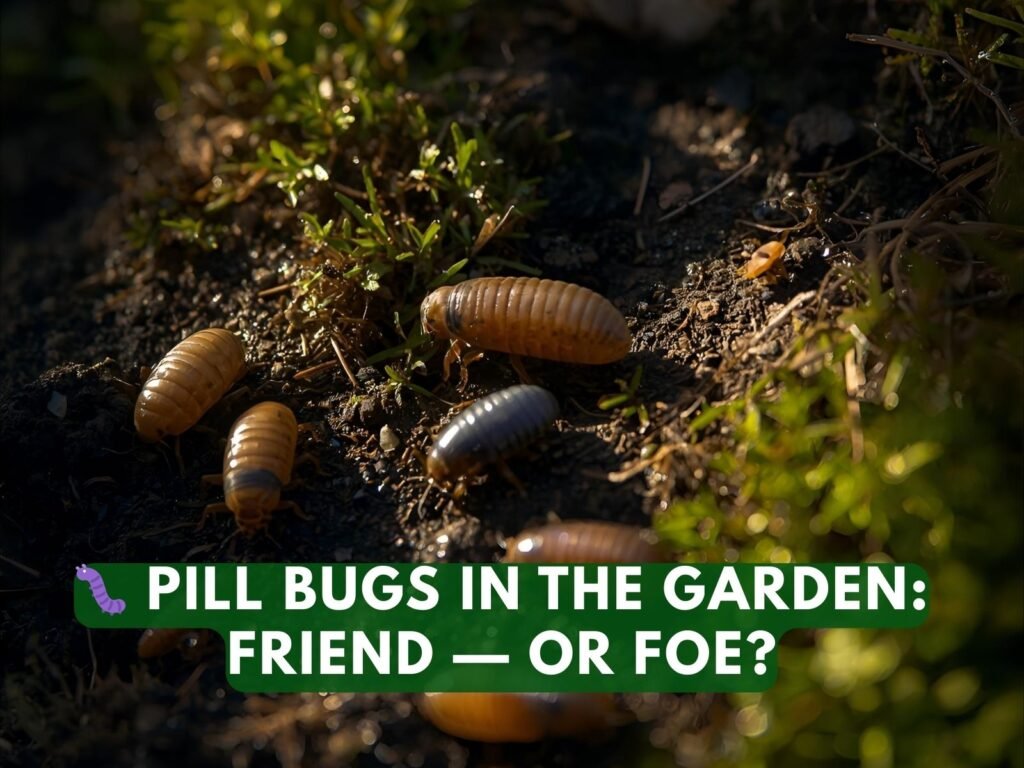
Are Pill Bugs Bad for Gardens?
✅ When Pill Bugs Are Beneficial
Pill bugs play a useful role by:
- Breaking down dead plant material
- Recycling nutrients into the soil
- Improving soil structure over time
In established gardens with mature plants, they are usually harmless.
❌ When Pill Bugs Become a Problem
Pill bugs can cause damage when:
- Seedlings are young and tender
- Moisture levels are consistently high
- Mulch or compost is excessive
They may chew:
- Newly sprouted vegetables
- Strawberries touching the soil
- Soft stems and roots
👉 The damage usually occurs at night, which makes pill bugs easy to miss.
Signs Pill Bugs Are Damaging Your Plants
- Missing seedlings overnight
- Irregular holes near soil level
- Chewed strawberries or melons
- Pill bugs hiding under mulch during the day
Why Pill Bugs Invade Gardens
Understanding their preferences helps control them:
- Excess moisture
- Thick organic mulch
- Decaying plant debris
- Cool, shaded soil
Control starts with habitat management, not chemicals.
8 Proven Organic Ways to Control Pill Bugs in the Garden
1. Reduce Moisture (Most Important Step)
Since pill bugs need moisture to survive, drying the environment reduces their numbers.
How to do it:
- Water in the morning, not evening
- Improve soil drainage
- Avoid over-mulching
- Remove wet debris and boards
✔ This alone often solves the problem.
2. Use DIY Pill Bug Traps
Traps reduce populations without chemicals.
Effective trap options:
- Beer traps: Shallow container sunk into soil
- Citrus traps: Half an orange or grapefruit placed face-down
- Rolled newspaper: Moist paper attracts pill bugs overnight
🕘 Check traps early in the morning and remove captured bugs.
3. Protect Seedlings with Collars
Young plants are most vulnerable.
How to make collars:
- Cut plastic cups, toilet paper rolls, or cardboard tubes
- Push 1–2 inches into soil around seedlings
This creates a physical barrier pill bugs cannot climb easily.
4. Remove Excess Mulch Temporarily
Mulch holds moisture and shelter.
Best practice:
- Pull mulch back from seedlings
- Use thinner layers until plants mature
- Avoid constantly damp mulch near stems
Once plants are established, mulch can be reapplied lightly.
5. Apply Diatomaceous Earth (Carefully)
Food-grade diatomaceous earth damages pill bugs’ exoskeletons.
How to use safely:
- Apply a thin, dry ring around plants
- Reapply after rain
- Avoid windy days
⚠️ Do not overuse—DE can affect beneficial insects if misapplied.
6. Encourage Natural Predators
Nature helps regulate pill bug populations.
Natural predators include:
- Ground beetles
- Toads and frogs
- Birds
Providing diverse habitats balances pest pressure naturally.
7. Use Beneficial Nematodes
Beneficial nematodes target soil pests without harming plants.
Best use cases:
- Heavy infestations
- Repeated seedling loss
Apply according to package directions when soil is moist.
8. Harvest and Relocate by Hand
For small gardens, simple removal works.
- Lift boards, stones, or mulch
- Collect pill bugs early morning
- Relocate to compost piles or wooded areas
What NOT to Do
Avoid these common mistakes:
❌ Overwatering
❌ Thick, constantly damp mulch
❌ Chemical insecticides (ineffective and harmful)
❌ Assuming all pill bugs must be eliminated
Complete removal is unnecessary—and unrealistic.
Pill Bug Control Method Comparison
| Method | Effectiveness | Organic | Best For |
|---|---|---|---|
| Moisture control | ⭐⭐⭐⭐⭐ | ✅ | All gardens |
| Traps | ⭐⭐⭐⭐ | ✅ | Moderate infestations |
| Seedling collars | ⭐⭐⭐⭐ | ✅ | Young plants |
| Diatomaceous earth | ⭐⭐⭐ | ✅ | Dry conditions |
| Nematodes | ⭐⭐⭐⭐ | ✅ | Severe infestations |
How Long Does Pill Bug Control Take?
- Moisture reduction: 3–7 days
- Traps: Immediate population reduction
- Barriers/collars: Instant protection
- Nematodes: 1–2 weeks
Consistency matters more than speed.
Final Thoughts: Balance, Not Eradication
Pill bugs are part of a healthy ecosystem, but when conditions favor them too strongly, they can damage young plants.
The key is environmental control, not harsh solutions.
Start by:
- Reducing moisture
- Protecting seedlings
- Using traps if needed
This approach protects your garden while maintaining soil health.
Discover more from Ecorganicas
Subscribe to get the latest posts sent to your email.


2 Comments on “Pill Bugs in the Garden: Friend — or Foe?”