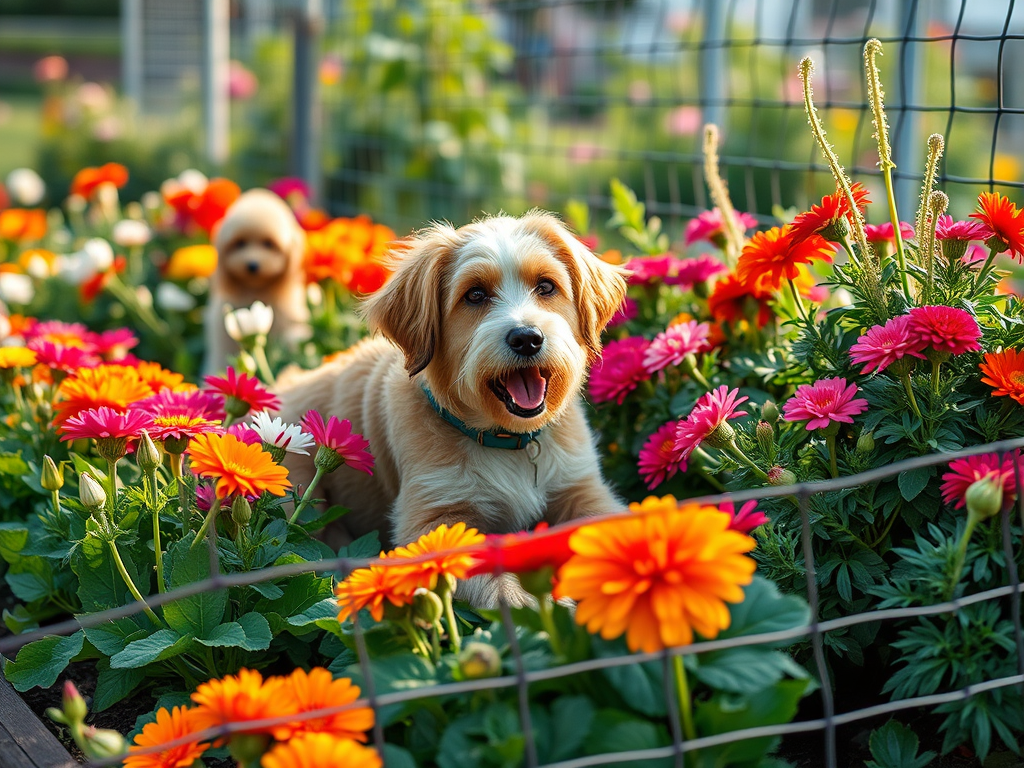
The fastest way to keep dogs out of flower beds is by installing a physical barrier such as chicken wire or raised borders, combined with a scent-based deterrent.
Dogs digging, running, or relieving themselves in flower beds is a common problem for gardeners. Whether it’s your own pet or a neighbor’s dog, damaged plants and disturbed soil can quickly ruin your garden.
In this guide, you’ll learn safe, proven, and pet-friendly ways to keep dogs out of flower beds—without harming animals or your plants.
Why Dogs Are Attracted to Flower Beds
Before choosing a solution, it helps to understand the behavior:
🔥 Our Trending Gardening Picks
- Soft soil feels good on paws and is easy to dig
- Scents from fertilizers or compost attract curiosity
- Marking territory is instinctive for dogs
- Cool shaded areas provide comfort during hot weather
Because of this, a single solution rarely works alone. The best results come from combining physical barriers, scent deterrents, and training.
10 Proven Ways to Keep Dogs Out of Flower Beds
1. Install Physical Barriers (Most Effective)
Physical barriers work immediately and are one of the most reliable solutions.
Best options:
- Chicken wire under mulch
- Decorative metal or PVC garden borders
- Low fencing (12–18 inches high)
- Raised flower beds
💡 Tip: Place chicken wire just beneath the soil surface so dogs feel resistance when stepping or digging.
How to Keep Dogs Out of Flower Beds
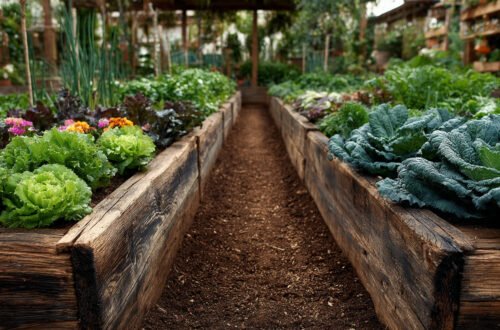
2. Use Raised Flower Beds
Raised beds naturally discourage dogs because:
- Soil is harder to reach
- Height reduces digging instinct
- Borders define the space clearly
Recommended height: 12–24 inches
Best materials: Wood, stone, brick, or composite boards
3. Motion-Activated Sprinklers
Motion-activated sprinklers startle dogs without harming them.
Why they work:
- Dogs dislike sudden water bursts
- Creates a “no-go” memory
- Covers a wide area
This method is especially effective for neighbor dogs that enter your yard repeatedly.
4. Apply Natural Dog Repellents (Safe Options)
Natural scents dogs dislike include:
- Citrus peels (orange, lemon, lime)
- Vinegar spray (use carefully, avoid leaves)
- Coffee grounds
- Garlic or chili powder (light application only)
⚠️ Avoid overuse—strong concentrations can damage plants.
5. Plant Dog-Repellent Plants
Certain plants naturally deter dogs due to strong aromas.
Dog-unfriendly (but plant-safe) options:
- Lavender
- Rosemary
- Rue
- Marigolds
Plant these around the edges of flower beds for best results.
6. Use Mulch Dogs Dislike
Some textures discourage dogs from walking or digging.
Effective mulch types:
- Pinecones
- Bark mulch
- Gravel (rounded, not sharp)
Avoid cocoa mulch—it is toxic to dogs.
7. Train Your Own Dog
If the problem is your pet, training is essential.
Simple training tips:
- Use commands like “Leave it” or “No garden”
- Reward calm behavior around flower beds
- Redirect digging behavior to a designated sand area
Consistency is key.
8. Use Scent-Based Commercial Repellents
Commercial dog repellents are formulated to be:
- Non-toxic
- Long-lasting
- Rain-resistant
Look for products labeled pet-safe and plant-safe.
9. Remove Attractants
Dogs may return if something draws them in.
Check for:
- Bone meal fertilizers
- Compost smells
- Animal droppings
- Standing water
Switch to odor-neutral fertilizers if needed.
10. Combine Multiple Methods
The highest success rate comes from combining:
- Physical barrier + scent deterrent
- Raised beds + repellent plants
- Sprinklers + fencing
This layered approach confuses and discourages dogs long-term.
What NOT to Use (Important Safety Warning)
❌ Mothballs
❌ Cayenne pepper in heavy amounts
❌ Toxic chemicals or pesticides
❌ Sharp objects or spikes
These can seriously harm animals and are unsafe for gardens.
Best Method Comparison Table
| Method | Effectiveness | Pet Safe | Maintenance |
|---|---|---|---|
| Physical barriers | ⭐⭐⭐⭐⭐ | ✅ | Low |
| Raised beds | ⭐⭐⭐⭐ | ✅ | Low |
| Sprinklers | ⭐⭐⭐⭐ | ✅ | Medium |
| Natural repellents | ⭐⭐⭐ | ✅ | Medium |
| Training | ⭐⭐⭐⭐ | ✅ | High |
How Long Do Dog Deterrents Take to Work?
- Barriers: Immediate
- Sprinklers: 1–3 encounters
- Scent repellents: 3–7 days (reapply weekly)
- Training: 2–4 weeks
Consistency matters more than speed.
Final Thoughts: Protect Your Garden Without Harming Pets
Keeping dogs out of flower beds doesn’t require harsh chemicals or unsafe tactics. By using physical barriers, natural repellents, and smart garden design, you can protect your plants while remaining pet-friendly.
Start with barriers, reinforce with scent deterrents, and maintain consistency for long-term success.


Discover more from Ecorganicas
Subscribe to get the latest posts sent to your email.