🪲 Are Pill Bugs Bad for Gardens? (Helpful or Harmful?)
Breadcrumbs
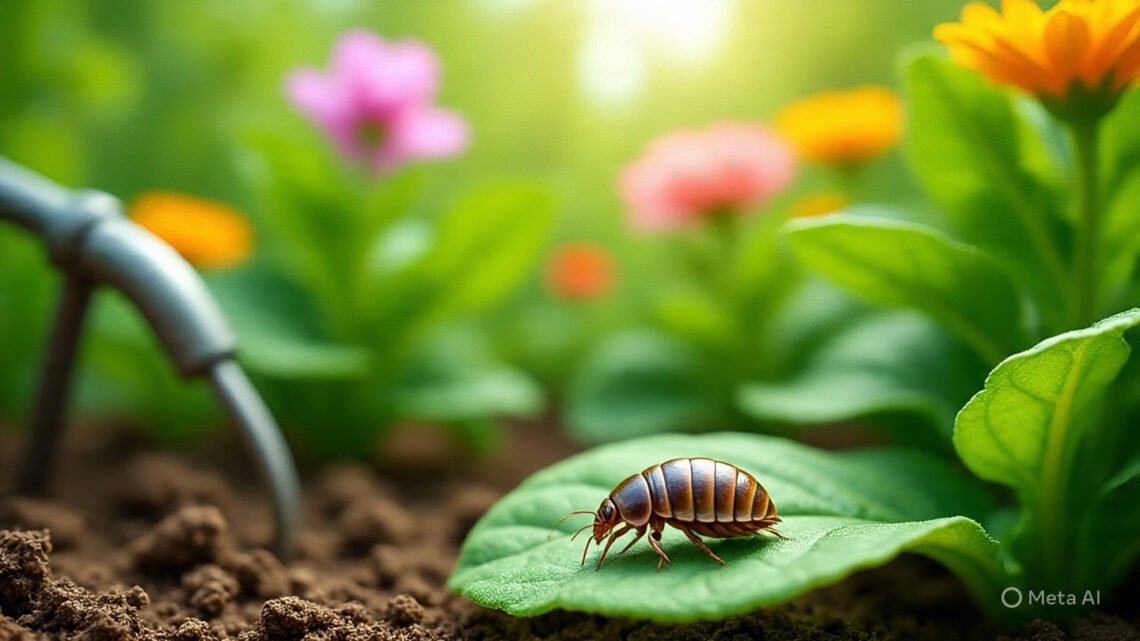
When you lift a pot or check under mulch in your garden, you’ve probably seen small, gray, oval-shaped creatures that roll into a ball when disturbed. These are pill bugs (also called roly-polies, woodlice, or armadillo bugs).
But are pill bugs bad for gardens—or could they actually be helpful? After 10 years of eco-friendly gardening experience, I’ve learned that pill bugs can be both friends and foes, depending on your garden conditions.
🌿 What Are Pill Bugs?
- Crustaceans, not insects (related to shrimp and lobsters).
- Thrive in damp, dark environments like under mulch, rocks, and decaying wood.
- Feed mainly on decaying organic matter but sometimes nibble on seedlings and soft plants.
✅ Benefits of Pill Bugs in the Garden
- Natural Composters – Break down dead leaves, wood, and organic material into nutrient-rich soil.
- Soil Aeration – Their burrowing improves airflow and moisture penetration.
- Part of a Healthy Ecosystem – Provide food for frogs, toads, birds, and other beneficial wildlife.
⚠️ When Pill Bugs Become a Problem
- In gardens with heavy mulch or overly damp soil, pill bugs can attack young seedlings, strawberries, melons, and tender plant roots.
- They are opportunistic feeders: if organic matter is scarce, they’ll move to living plants.
🛠️ How to Manage Pill Bugs in Your Garden (Step-by-Step)
1. Reduce Excess Moisture
- Avoid overwatering.
- Ensure good drainage in beds and containers.
2. Adjust Mulching Practices
- Use thinner layers of mulch.
- Keep mulch a few inches away from young plant stems.
3. Provide Decoy Food
- Place cut potatoes, melon rinds, or carrot slices in garden corners.
- Pill bugs will gather there, making them easier to relocate.
4. Encourage Natural Predators
- Attract frogs, toads, ground beetles, and birds to naturally control pill bug populations.
5. Relocate Instead of Killing
- If populations grow too large, scoop them up with a shovel or trap and move them to a compost pile.
🌸 Are Pill Bugs Good or Bad for Gardens?
The answer is: Both.
- In balanced numbers, pill bugs are beneficial decomposers.
- In overpopulated, damp conditions, they may damage seedlings and delicate plants.
Managing your garden’s environment will keep pill bugs working with you, not against you.
🔥 Our Trending Gardening Picks
❓ FAQs About Pill Bugs in Gardening
Q1: Do pill bugs eat live plants?
Mostly no, but in large numbers and damp conditions, they can attack seedlings and soft plants.
Q2: Are pill bugs harmful to humans?
No—they don’t bite, sting, or spread diseases.
Q3: Do pill bugs mean my soil is unhealthy?
No—actually, they’re a sign of healthy organic matter and moisture in the soil.
Q4: Can I use pill bugs in compost bins?
Yes—they’re excellent decomposers and help break down waste faster.
Q5: How do I keep pill bugs away from seedlings?
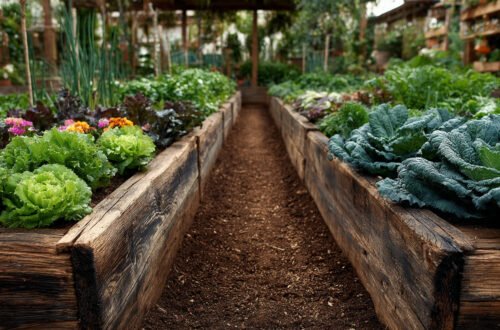
Use raised beds, reduce mulch thickness, and water early in the day.
📖 Related Articles
- Are Frogs Good for Gardens?
- Is Rabbit Poop Good for Gardens?
- Top 10 Beneficial Insects Every Gardener Should Know
✍️ Author
Written by: Ecorganicas
Ecorganicas is a gardening blogger with 10 years of experience in sustainable gardening and natural pest control. With a focus on eco-friendly practices, Ecorganicas helps gardeners find balance between managing pests and protecting beneficial organisms.
Discover more from Ecorganicas
Subscribe to get the latest posts sent to your email.